I agree to receive transactional SMS messages from Healthee. Msg frequency varies. Msg & data rates may apply. Text STOP to unsubscribe and HELP for help. Privacy PolicyTerms of Use
How to Plan Open Enrollment Communications, From First Email to Final Deadline
July 24, 2024
Key takeaways:
Start awareness 6 to 8 weeks before the window opens, and give every message one job and one call to action.
Explain changes in dollars per paycheck, not percentages and plan-document language.
Say less as the deadline gets closer: deadline, link, and support route only.
Segment reminders by enrollment status once the window opens.
Give employees a private place to get answers to personal plan questions, so those questions don’t become HR tickets.
The time has come to create more transparent open enrollment communications.
If you were to ask most employees about their open enrollment experience, what would they say?
Many don’t fully understand what open enrollment is, how it works, or how to get the most out of it. According toMetLife’s 2025 Employee Benefit Trends Study, only 57% of employees fully understand what their benefits cover, and 72% want their employer to provide benefits communications tailored to their needs.
In other words, many employees don’t understand their benefits, and they wish they did, even if they aren’t always willing to spend time researching them.
Open enrollment communications are the planned messages HR sends before, during, and after the enrollment window to help employees understand their benefit options, make a confident choice, and finish enrolling on time.
Whose Job is It to Address Open Enrollment Confusion?
It falls to HR. HR leaders aren’t just tasked with choosing health plans that meet employees’ evolving needs. They also have to explain intricate plan details to employees with varying health literacy, and run an open enrollment period where no one falls through the cracks.
That’s why great open enrollment communications are essential forHR leaders involved in employee benefits communication. By planning how to communicate plan changes and preparing employee messages ahead of time, HR leaders can avoid low enrollment and a flood of last-minute plan questions.
In this guide, we’ll share the strategies the benefits experts at Healthee have learned and developed for benefits communication, focusing specifically on your open enrollment communication strategy.
Why Do Open Enrollment Communications Matter?
A strong open enrollment communication plan helps contain healthcare costs, prevents unnecessary spending, improves employee satisfaction and engagement, and makes sure employees and their dependents get the care they need. Here are four reasons to invest in it.
Health Literacy Affects Health Outcomes
Understanding your benefits options, and how to use them, is part of health literacy. In a2022 study in BMC Health Services Research, only half of hospitalized adults had adequate health literacy. Those with inadequate health literacy had three times the odds of returning to the emergency department within 90 days.
Health Benefits are One of The Largest Costs Employers Carry
After wages, insurance is private employers’ largest benefit cost, and nearly all of it is health coverage: $3.69 per hour worked as of June 2026, according to theBureau of Labor Statistics.KFF’s 2025 Employer Health Benefits Survey puts the average family premium at $26,993 a year and single coverage at $9,325, with family premiums up 6% in a year.
Every employer tracks payroll closely. Yet many lose money on health benefits unnecessarily, because employees choose plans that don’t fit their needs or don’t use the coverage they have. That’s where effective open enrollment communications can help.
Employees Don’t Want to Spend Much Time on Open Enrollment
Half of enrollees spend less than an hour choosing a health plan, according to theEBRI and Greenwald Research 2024 Consumer Engagement in Health Care Survey. The same survey found nearly 9 in 10 enrollees believe they understand their plans, yet many are confused about out-of-pocket maximums, prescription pricing, and HSAs versus FSAs.
Why? Some employees don’t have the time or patience, some are overwhelmed, and many feel they should “just know” how this works. Your open enrollment communications need to be engaging and get the point across quickly and clearly.
The Challenge: Getting Employees to Listen
Getting employees to engage with the content you work hard to produce isn’t easy. In anInternational Foundation of Employee Benefit Plans survey, 80% of organizations named employees not opening or reading benefits materials as a top communication challenge.
How to Improve Open Enrollment Engagement and Participation
Start by learning who your employees are, then group them into personas you can target with the right channels, language, and support. Knowing your workforce should also shape which health plans you offer in the first place.
Study Your Employees and Their Demographics
Here are factors worth mapping, and how each one should shape your open enrollment communications:
Native languages: If some employees are more comfortable in a language other than English, translate your communications.
Learning styles: Some people learn by seeing, some by reading, some have learning disabilities or short attention spans, and some will always prefer to speak to a person.
Education: Make sure everyone, from PhDs to employees who didn’t finish high school, can understand the terms you use.
Social anxiety: Some employees may be afraid to approach HR for help. Plan a way to reach them anyway.
Age: Younger employees have less open enrollment experience but may engage more with apps and tech-based tools. The reverse is often true for older employees.
Health and wellness needs: Employees with specific conditions will care most about benefits that address them, such as mental health support, specialized care, or chronic disease management.
Location: Consider which care is available locally and which is available through telehealth at each of your locations.
Every workforce is different. Once you understand yours, you can create personas and start reaching employees more effectively to drive higher open enrollment engagement and participation.
Create Employee Personas
Grouping employees into personas makes communicating with everyone feel more personal and makes the task for HR more manageable. Many companies now also use AI virtual assistants to help each employee individually, but personas still guide your campaign. For each persona, decide:
Which channels will reach them best
What messaging and language to use
Which support resources will help them most
We cover each of these below.
What Should Open Enrollment Communications Include?
Every open enrollment campaign should tell employees who to contact, what’s changing, what their options are, how to enroll, and by when.
Key Messages to Communicate
Point of contact: Where should employees go with open enrollment questions? List phone numbers, email addresses, office locations, and the hours support is available.
Events: Promote any events you’ve planned around open enrollment, with times, locations or online links, and reasons to attend.
Life changes: Remind employees to tell you about life changes that affect their plan, such as having or adopting a baby or getting married or divorced.
Health benefits options: Explain each benefit, including health, dental, and vision insurance and wellness programs, with costs, coverage, and which life situations each fits.
How to enroll: In your open enrollment communications, outline the steps to enroll, online or on paper, with every important date and deadline.
Resources: Link to FAQs, guides, and instructional videos.
What’s new: Veteran employees who’ve “been there, done that” may only want to know what’s changed since last year.
Call to action: Make sure employees know why open enrollment matters to them and exactly what they need to do.
How to Communicate Benefits Changes to Employees Effectively
Lead with who is affected and what it costs them, then tell them exactly what to do. Employees skim for one thing: does this change anything for me?
Rank changes by impact. Premium increases and network changes come first. Minor plan edits belong in the full plan documents.
Name who should pay attention. “If you’re on the PPO and see Dr. Lee, read this” beats a list of every plan edit.
Translate changes into dollars. Show cost changes per paycheck and per year, not as percentages.
Explain why in a sentence or two. If costs are rising, say so plainly.
Separate “you must act” from “nothing changes for you.”
How Do You Reduce Employee Confusion During Open Enrollment?
Reduce confusion by answering three questions in every message: What is changing? What does it mean for me? What should I do next? Clarity beats volume.
Give Every Message One Main Point And One Action
TheCDC Clear Communication Index recommends a clear primary audience, one main message, familiar language, and an obvious call to action. Apply that test to every email, post, and slide. If one message tries to explain plan changes, promote a webinar, and mention FSAs, split it.
Remember to Communicate the Basics
What’s obvious to you isn’t obvious to your employees. In aJustworks and Harris Poll survey reported by SHRM, 51% of open enrollment participants aged 18 to 43 said they had chosen a plan aimlessly because they didn’t understand the terms. Cover the fundamentals in your open enrollment communications. Feel free to copy these answers into your own open enrollment email template:
What is open enrollment? It’s the time of year when you can:
Make changes to your health plans
Elect tax-advantaged accounts, such as FSAs (see below)
Add or remove dependents, for example after a birth, death, or change in marital status
When is open enrollment? Just once a year, and the choices you make apply for the whole plan year.
Can I change my health plan mid-year? Probably not. Only a “qualifying life event” lets you change plans mid-year, such as:
Starting a new job
A change in marital status
Having or adopting a baby
Losing other health insurance
Even if you expect a qualifying life event next year, it’s still worth choosing the best-fitting coverage now.
If I’m not changing my plan, do I need to do anything? Usually, yes. For example, Flexible Spending Account (FSA) elections don’t automatically renew. According toIRS Publication 969, you designate how much to contribute at the beginning of each plan year, and “you can change or revoke your election only if specifically allowed by law and the plan.”
What you pay for coverage each paycheck, whether or not you use care
Deductible
What you pay for covered care each year before the plan starts sharing costs
Coinsurance
Your percentage share of a bill after you meet the deductible
Out-of-pocket maximum
The most you’ll pay for covered in-network care in a year
HSA
A tax-advantaged savings account paired with a high-deductible plan; unused money rolls over
FSA
A tax-advantaged account you elect each plan year; unused money may be lost unless your plan offers a carryover or grace period
Keep One Source of Truth
Put every document, deadline, FAQ, recording, and support contact in one enrollment hub, and make sure HR, managers, and brokers all answer from it. Make it accessible: meaningful link text, captions and transcripts, readable formatting, mobile-friendly pages, and translations where your workforce needs them. Campaign messages should make official plan documents, like theSummary of Benefits and Coverage, easier to find and understand, not replace them.
Give Employees a Path to Personal Answers
No open enrollment communications campaign can account for every doctor, prescription, dependent, or financial priority. Don’t cram every possible answer into your copy. Give employees a clear, private place to take questions about their own situation.
Choosing the Right Channels for Your Open Enrollment Communications
Once you know which personas you’re focusing on, choose the channels that reach each one best:
Slack or Teams: a dedicated #employee-benefits channel for frequent updates, with occasional posts in #general
Email: context, plan-change summaries, and links to resources
Webinars or live events: explain complex topics and answer questions; record them for anyone who misses them
Handouts to read
Posters around the office, with a QR code that tracks each scan
A game: instead of a slideshow, review open enrollment concepts in a game-show format (“I’ll take Tax-Advantaged Accounts for 500”)
A benefits navigation app, like Healthee
In our experience at Healthee, short, clear messages in tools like Slack can be more effective than long emails.
Set up tracking wherever possible. If you can track email open rates, arrange it with IT in advance. And review which channels worked well in past years, and why.
How Can HR Reduce the Open Enrollment Support Burden?
Automate and personalize. Automation in HR, done right, helps employees get what they need quickly and saves HR enormous amounts of time. Automate reminders by enrollment status, publish your FAQ before launch, and give employees a self-serve place to take personal plan questions.
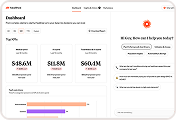
For example, Healthee’s AI benefits assistant,Zoe, answers plan-specific questions in under 27 seconds in more than 50 languages, and Healthee customers see an 87% reduction in HR administrative workload. That returns an average of nine hours a week to each HR team member.
Personalizing communications to each employee’s situation makes all the difference. Figure out what each persona wants and needs to know.
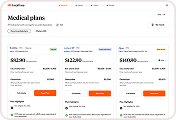
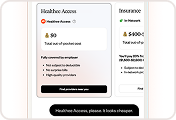
This is another reason we recommend anAI-powered employee benefits platform like Healthee. A good AI platform personalizes each employee’s experience, shows exact costs, and estimates prices based on their situation. Healthee’s Plan Comparison Tool helps employees find $1,000 to $2,000 a year in out-of-pocket savings.
The Best Open Enrollment Communication Timeline
Start awareness six to eight weeks before the enrollment window, explain changes about four weeks out, teach plan comparison two weeks out, then shift to short, action-focused messages once enrollment opens. Instead of a series of announcements, treat open enrollment like a marketing campaign: each message has one primary goal and one call to action.
Timing
Goal
Call to action
6–8 weeks before
Create awareness
Add the enrollment window to your calendar
4 weeks before
Explain upcoming changes
Review plan changes
2 weeks before
Help employees compare
Compare your options
Opening day
Make action easy
Start or confirm your election
Mid-window
Respond to behavior
Finish the next incomplete step
Final 48 hours and close
Increase urgency, then confirm
Submit, verify, and save your confirmation
1. Six to Eight Weeks Before: Create Awareness
Start simple with a concise save-the-date from a recognizable leader. Include the enrollment window, whether action is required, and where updates will live.
This piece of open enrollment communications is not the place for plan grids or detailed rates. Do not attach the entire benefits guide or include a massive comparison chart just yet. At this stage, the focus is creating awareness instead of expecting a final healthcare decision.
Recommended call to action: Add the enrollment window to your calendar.
2. Four Weeks Before: Explain Upcoming Benefits Changes
Now answer the question employees actually care about: what are the benefits changes this year?
Organize changes by their impact on employees. Explain what’s new, what’s staying the same, and which employees should pay particularly close attention. If employee contributions are changing, make the financial impact easy to understand. Showing a per-paycheck amount alongside an annual figure puts a change in context.
This is also the time to link employees to your central source of truth for complete plan materials.
Recommended call to action: Review plan changes.
3. Two Weeks Before: Help Employees Compare
Education is your best tool here. Instead of explaining each feature in isolation, teach employees the factors to weigh when choosing a plan:
Which doctors do you want to keep seeing?
Do you regularly take prescription medications?
What healthcare needs do you anticipate this year?
How much are you comfortable paying in premiums?
How much out-of-pocket financial risk are you comfortable taking on?
How could an HSA, FSA, or HRA affect your decision?
There is no universally “best” health plan. The goal of this step in an open enrollment communications timeline is to help each person understand which option fits their own needs.
This is also a good time for a live session, recorded walkthrough, or benefits Q&A. Publish common questions afterward, so the answer to one employee’s question can help hundreds more.
Recommended call to action: Compare your options.
4. Opening Day: Make Action Easy
Send the official launch message early in the workday. Put the enrollment deadline, link, and required action where employees can’t miss them. Employees should know exactly where to click within seconds of opening the message.
If you partner with Healthee, point employees to the Plan Comparison Tool so they can compare plans against their own expected care.
Recommended call to action: Start or confirm your election.
5. Mid-Window: Respond to Behavior
By mid-enrollment, your employees are no longer one audience. They range from “not started” to “completed,” so segment your open enrollment communications:
Completed: confirmation and instructions for reviewing their elections
Started but not finished: a quick way back in
Not started: the deadline, how long enrollment takes, and a clear support option
Use the questions coming into HR as campaign data, too. If the same question keeps appearing, update your FAQ and clarify it in upcoming messages.
Recommended call to action: Finish the next incomplete step.
6. Final 48 Hours and Close: Increase Urgency, Then Confirm
Send short reminders through two or three approved channels. State the exact deadline with time zone, explain what happens if no action is taken, and keep the support route visible. After the window closes, send a confirmation, explain when coverage begins, and tell employees where to find year-round help.
Urgency can rise, but complexity should fall. Final messages should contain only the deadline, the enrollment link, and a support option. New educational content at this stage gives employees another reason to delay.
Recommended call to action: Submit, verify, and save your confirmation.
How Do You Build and Measure Open Enrollment Communications?
Build the plan by reviewing past data, setting measurable goals, tracking results during the window, automating where you can, and keepinghealth benefits communication going all year.
Set Your Project Goals
Goals should be specific, measurable, achievable, relevant, and time-bound. Start by defining what you want to achieve. Example goals:
At least 95% of employees feel confident in their open enrollment decisions
Email open rates above 50%
200 views of an instructional video
80 employees attend open enrollment educational events
A 20% decrease in HR administrative work related to open enrollment
That last goal is realistic. Healthee customers see an 87% reduction in HR administrative workload.
Your goals should build on previous years’ data and align with company goals. Look at which employees didn’t open last year’s open enrollment emails and consider why. Do some departments engage less with your open enrollment communications? If so, why, and how could you improve their results? Study the results of past employee benefits survey questions, too.
Monitor Your Success
During open enrollment, track as many objective measures as you can: open rates, click-through rates, event attendance, and enrollment completion by day and department. Sharing completion rates by department adds friendly motivation.
Subjective feedback matters just as much. Use feedback forms and surveys to learn how employees experienced the process. Keep your goals and data from year to year so each open enrollment builds on the last.
Automate the Open Enrollment Process
Automating email campaigns, reminders, and follow-up messages saves HR significant time and busywork. To go further, consider an AI open enrollment software like Healthee for personalized plan recommendations and decision support. Healthee gives employees personalized answers about their own plan, so they choose with confidence.
Continue Health Benefits Communications Year-Round
Keep health benefits top of mind all year with regular tips and updates. Teaching employees how to use benefits like FSAs empowers them to get the most out of their coverage, and makes next year’s open enrollment smoother. For ideas, see Healthee’s guide to year-round employee benefits engagement strategies.
Final thoughts
Effective open enrollment communications make sure every employee understands their benefits options and what they need to do to get the most out of open enrollment. With the ideas above, you can streamline the process, improve engagement, and support each employee’s overall well-being.
At Healthee, we’re committed to helping companies like yours optimize their health benefits and open enrollment. With Healthee, employees can check how different plans would work for their own and their dependents’ healthcare needs, as easily as shopping online.
To take your benefits strategy to the next level, consider adding Healthee to your benefits management approach. Our platform saves time, reduces administrative burden, and improves the employee experience.
Open enrollment communications are the planned messages HR sends before, during, and after the enrollment window to help employees understand their benefit options, choose a plan, and finish enrolling on time.
When should open enrollment communication begin?
Begin awareness six to eight weeks before the enrollment window. Introduce key changes about four weeks before, teach plan comparison two weeks before, and increase action-focused reminders after the window opens.
How many open enrollment messages should HR send?
There is no universal number. A six-stage sequence is a practical baseline, with segmented mid-window and final reminders. Give each piece of open enrollment communications one job rather than repeating the same full announcement.
What should every open enrollment message include?
A clear main message, the action required, the deadline when relevant, a direct link, and a trusted support option. Required plan notices and official documents should stay easy to access.
How can HR reduce open enrollment questions?
Use plain language, publish a central FAQ, segment reminders by completion status, and offer on-demand benefits navigation for personal or plan-specific questions.