In a 2025 Prudential survey, 55% of employees said they had never tried to use their employee assistance program (EAP), which is a work-based counseling program that employers often provide. Among those employees, 31% actually needed counseling.
An EAP is one of several employee benefits you might not know about. Many employers pay for it, along with telehealth and programs for conditions like diabetes. The problem is, however, that because employees choose their plan in the beginning of the year during open enrollment, they don’t realize or remember it comes with extra benefits when they need it months later. So before you pay out of pocket for counseling, a doctor’s visit, or a health program, check what your benefits already include.
Why employees miss benefits they already have
There are many reasons why employees aren’t sure what their benefits include. In the same Prudential survey, 22% of employees knew little about the benefits available to them, some of which are outlined in this guide about the main types of benefits employers offer.
Part of the reason is how extras reach you. Many are point solutions, which are separate programs for one need, like counseling, physical therapy, or diabetes. They come with their own names and sign-ups, so to use them, you’d have to keep track of several programs instead of one plan. When your back starts hurting, the program that covers physical therapy may go by a company name you’ve never heard, and you can’t search for a name you don’t know.
The extras you have also depend on your employer, so a one-size-fits-all list from the point solution won’t exactly match the benefits you have access to.
Be sure to check benefits coverage before you pay
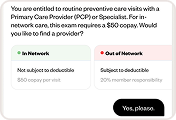
If you’re unsure whether a doctor’s visit or health program is covered, be sure to check before you pay or ask your HR team. Checking first matters most while you’re paying toward a deductible. According to KFF, 88% of workers with single coverage have a general annual deductible, the amount they pay before their plan pays for most services. In 2025, that deductible averaged $1,886. Until you meet yours, a counseling session or a physical therapy visit can come out of your pocket, even when an extra your employer pays for might cover it.
8 employee benefits you might not know about
To make it easier for you, we’ve rounded up 8 employee benefits you should know about. Each is among the most common point solutions employers offered through Healthee for 2026, according to Healthee’s 2026 Benefits Divide report.
Ask your HR or check in your benefits platform whether or not these are covered.
1. Employee assistance program (EAP)
What it is: An EAP is a work-based program that offers assessments, short-term counseling, referrals, and follow-up for personal or work-related problems, according to the U.S. Office of Personnel Management (OPM). EAPs help with issues like stress, grief, family problems, and alcohol or other substance use. Of the employers in Prudential’s survey, 59% reported offering one.
Check it before you pay for counseling on your own.
What to search for: “counseling,” “stress,” “grief,” or “EAP”
2. Telehealth
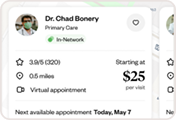
What it is: Telehealth gives you virtual visits with doctors and therapists, so you can see one without going to an office. Who can use it and what a visit costs you depend on your plan and what your employer offers.
Check it before you book an in-person visit or head to urgent care. If your plan includes virtual visits, find out the price of one first, so you can compare it with what you’d pay in person. Often, telehealth calls are much cheaper than going to the emergency room or doctor’s office.
What to search for: “telehealth” or “virtual visit”
3. Virtual mental health support
What it is: A virtual mental health program offers mental health care by video or in an app, separately from your medical plan. An EAP offers short-term counseling. A virtual mental health program is the place to look for care that continues after that. Depending on your coverage and provider, virtual mental health care can include an assessment and diagnosis, individual, group, or family therapy, medication prescriptions, and regular check-ins, by video, phone, or text, according to the National Institute of Mental Health (NIMH). For the employer’s side, see what mental health benefits employers offer.
Check it before you start paying for regular therapy sessions yourself, for example after your EAP counseling ends.
What to search for: “therapy,” “mental health,” or “anxiety”
4. Diabetes management programs
What it is: A diabetes management program is a separate program for people living with diabetes, offered alongside your medical plan. What’s included varies by employer. For a sense of the help available, the CDC describes diabetes self-management education and support, where a diabetes care and education specialist helps you build a plan for healthy eating, physical activity, taking medication, tracking your blood sugar, and coping with the stress of diabetes.
Check it before you pay on your own for help managing diabetes, especially in the months after a diagnosis.
What to search for: “diabetes” or “blood sugar”
5. Virtual physical therapy
What it is: A virtual physical therapy program delivers physical therapy remotely, for problems like back pain. It can include video visits with a physical therapist, a mobile app for your home exercises, and remote monitoring that lets your therapist track your progress between visits, according to the American Physical Therapy Association (APTA).
Check it before you book physical therapy in person or pay for sessions out of pocket, especially while your deductible isn’t met.
What to search for: “back pain,” “physical therapy,” or the part of your body that hurts, like “knee”
6. Family-forming benefits
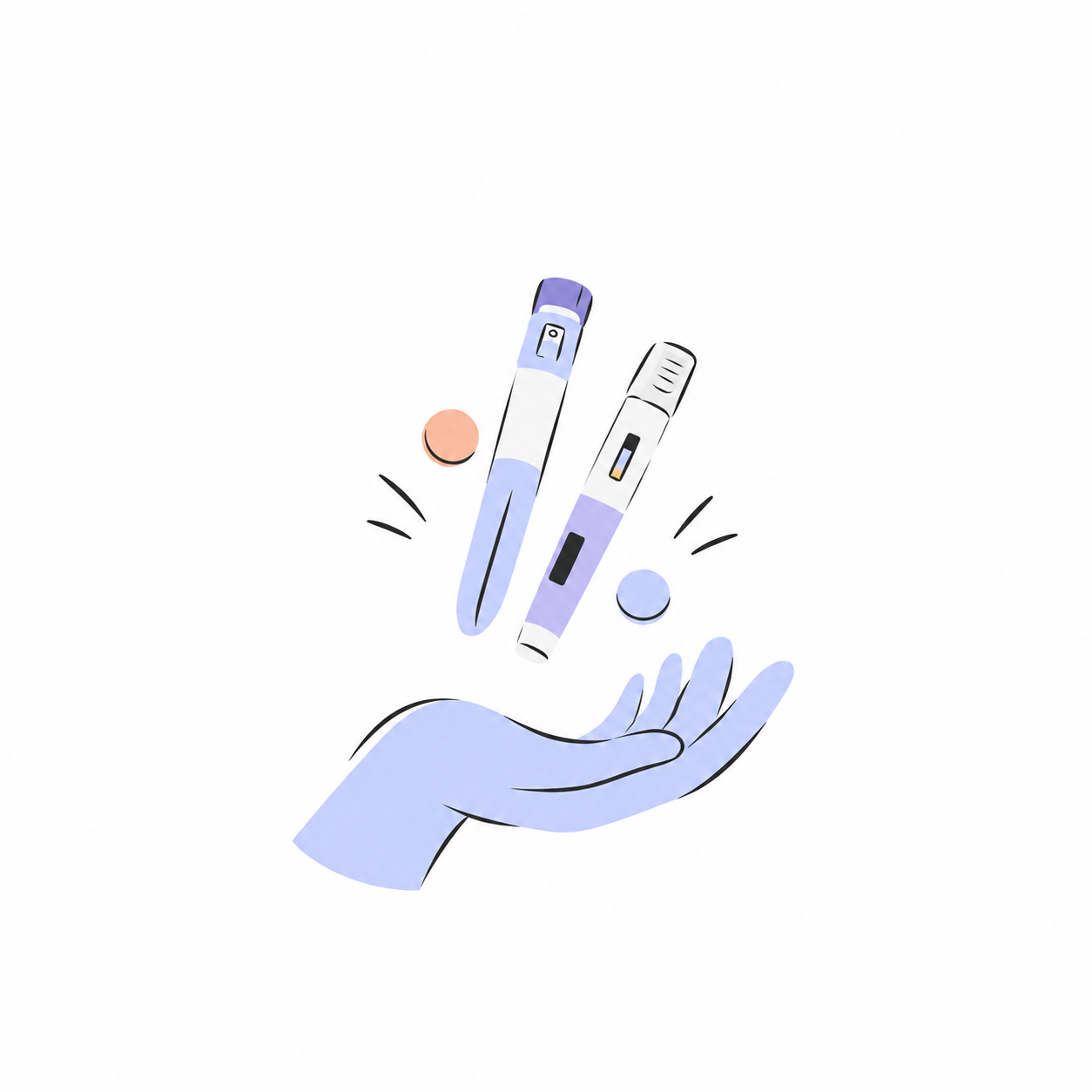
What it is: Family-forming benefits help with fertility, adoption, and family planning. Depending on the employer, they can cover fertility medications, IVF, genetic testing, egg freezing, and financial help with an adoption, according to an IFEBP survey reported by SHRM.
Check it before you start fertility treatment, an adoption, or family planning care, so you know what the program covers and what you’d pay.
What to search for: “fertility,” “adoption,” or “family planning”
7. Employee discount programs
What it is: An employee discount program gives you lower prices on purchases through your employer. In 2025, perks programs, such as employee discounts, were the most-clicked benefits on Healthee, according to Healthee’s 2026 Benefits Divide report.
Check it before you make a big purchase or sign up for a gym membership, since the same benefit may cost less through your employer’s program.
What to search for: “discounts” or “perks”
8. Voluntary benefits (coverage you usually pay for)
What it is: Voluntary benefits are additional insurance options you can add to your workplace benefits, offered at group rates. You usually pay for them yourself, often through payroll deduction, though some employers choose to contribute, according to Paychex. Healthee’s HR guide explains how voluntary benefits work from the employer’s side.
Check it before you buy similar coverage on your own, such as a life insurance policy. Look for voluntary coverage during open enrollment, or after a life event like a new baby.
What to search for: “voluntary benefits” or the coverage you’re thinking of buying, like “life insurance”
How to check what your benefits include before you pay
Before you book an appointment, check whether it’s covered in your benefits package. If so, you may not have to pay for the appointment yourself. Use one of these three options to check:
1. Search by the care you need
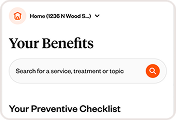
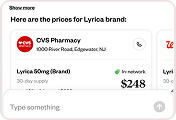
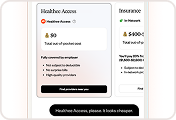
Program names often don’t say what they cover, so search for the care itself: “therapy,” “pregnancy,” or “diabetes.” If your employer offers Healthee, open the Benefits tab in the Healthee app and search there. The tab shows every health benefit in one place, across medical, dental, vision, and your employer’s programs. Covered benefits come first in the results, and you’ll find those programs under Employer extras.
2. Check what it costs you and how to sign up
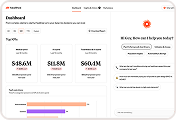
Programs may come with their own sign-ups and prices. Before you book, find out what you’ll pay and how to enroll. If your employer offers Healthee, ask Zoe, the AI assistant in the Healthee app, “What mental health support do we have?” She answers from your employer’s programs, including what each one is, who to contact, how to sign up, and what it costs you.
3. Ask HR about the care you need
If your employer doesn’t offer Healthee, or your search finds nothing, ask HR before you pay. Because your extras depend on what your employer chose, HR can tell you which programs you can use. Instead of asking what benefits you have, ask about the care itself: “Do we have anything for physical therapy?” A specific question gets a specific answer, and you don’t have to explain why you need it.
Check your benefits before you pay
Many of the employee benefits you might not know about cover care you’d otherwise pay for yourself. Checking takes one search or one question before you book.
Skip that check, and you might pay toward your deductible for care and extra covers, or go without help you could have had. If your employer offers Healthee, open the Benefits tab in the Healthee app and search for the care you need.