U.S. employer healthcare costs have been climbing for years, and the latest projections show that the pressure is accelerating. Employers expect healthcare costs to rise 11.1% in 2027, potentially the steepest increase in more than two decades.¹
Meanwhile, employees with workplace coverage are already expected to spend an average of $5,297 on healthcare in 2026.² For employers, these increases are turning healthcare into a broader business concern, drawing more attention from finance leaders, CEOs, and boards. But cutting coverage or shifting more costs to employees isn’t a sustainable answer.
Instead, employers need to look more closely at where healthcare dollars are going and target avoidable costs through proactive navigation, AI-powered tools, and better education around benefits. Here’s where you can start without reducing access or quality.
What are the top 3 cost drivers in enterprise healthcare?
Enterprise healthcare costs are often not driven by a single factor, but by a convergence of three highly avoidable trends. Each trend stems from a lack of clarity, transparency, and proactive employee guidance.
Low-value care services
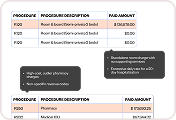
Redundant diagnostics, unnecessary MRIs, and excessive lab work are all too common. These services, while often necessary for diagnoses, may be recommended when other care pathways are more effective, carrying high costs for both employees and employers. Without tools to compare quality or price, employees follow outdated referral patterns — driving up claims with no added benefit.
Out-of-network utilization
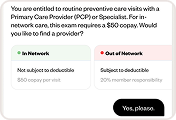
For large employers, out-of-network care is one of the most preventable sources of claims volatility and one of the least understood by employees. Many end up out of network without realizing it: referral defaults, outdated provider directories, or the assumption that “in-network hospital” means “in-network physician.” That means a routine visit or procedure can cost 3 to 10 times more than expected.
These mistakes add up fast, especially in self-funded plans. Without smart navigation tools or real-time cost guidance, even well-designed benefits programs can drain spend from unintended out-of-network usage.
ER overuse
In large organizations, even routine healthcare decisions can create significant financial exposure. For non-emergency needs, many employees turn to the ER because they don’t know where else to go. The lack of education around accessible telehealth or urgent care makes the ER the go-to option, even if those services are included in an employee’s plan. These unnecessary ER visits can cost 10 times more than an urgent care visit.³
The stakes are getting higher as overall healthcare spending accelerates. Aon estimates employees will spend an average of $5,297 on healthcare in 2026, including $3,130 in payroll contributions and $2,167 in out-of-pocket costs.² Employers continue to shoulder most of the overall plan cost, which means unnecessary spending ultimately puts pressure on both sides.
The common denominator across all three? A lack of clear, accessible information about the benefits package. When employees don’t know who’s in-network, where to go for urgent needs, or how much services cost, they make decisions that unintentionally increase costs for themselves and for your organization.
The danger of overpaying for low-value care
Low-value care refers to services that drive up claims without delivering meaningful health outcomes. In enterprise plans, these often fly under the radar because they’re difficult to track without proactive analytics.
Common examples include:
- Unnecessary MRIs or CT scans performed without clinical justification
- Redundant bloodwork ordered by multiple providers who aren’t coordinating care
- Excessive lab panels that go beyond what’s needed for diagnosis or treatment
- Double-billing for services already included in bundled payments or provider contracts
- Routine testing performed more frequently than guidelines recommend
These services persist because employees don’t have easy access to second opinions, cost estimates, or context about whether a service is typical, necessary, or reimbursable. Many simply follow a provider’s suggestion, unaware that the same service may be unnecessary or available at one-tenth the cost elsewhere.
So how can enterprises identify and eliminate low-value care?
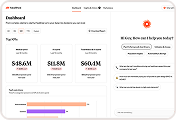
That’s where data and proactive design come in. By leveraging claims analytics, employers can pinpoint patterns of overuse and identify cost drivers across their population. These insights can spotlight gaps in care coordination, underutilized programs, and even outlier providers.
Case study: MRI pricing disparity and transparency gaps
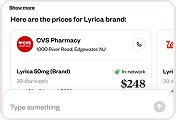
A recent example from a Healthee member illustrates the real-world impact of price transparency. One member needed an MRI and was quoted $1,000 at a local hospital. After asking Healthee’s AI assistant Zoe, they discovered a nearby imaging center offering the same scan for just $40.
Results:
- Cost differential: 25x price difference for identical service
- Employee satisfaction: Improved by enabling informed decision-making
- Employer savings: Significant reduction in unnecessary claims exposure
This isn’t an isolated event. Price variability exists across nearly all geographies and procedure types. Without tools to navigate those disparities, employees (and by extension, employers) overpay for routine care.
Healthee’s impact: Directing employees to smarter choices
Here’s how Healthee helps large employers rein in runaway costs:
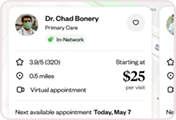
- Real-time navigation: Zoe answers care and coverage questions 24/7, helping employees compare prices, search in-network providers, and understand deductibles.
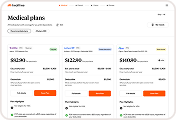
- Smarter plan selection: Our AI-powered decision support tool guides users during open enrollment, reducing costly plan mismatches.
- ROI at scale: Enterprise clients have seen up to 7–14% reductions in claims costs within months of adoption.
- Lighter HR load: Healthee reduces time spent on benefits questions, improves employee satisfaction, and gives HRs their time back.
Why AI-driven transparency is the new must-have
With another year of huge healthcare cost increases expected in 2027, employers have less room for preventable spending. In large organizations, even small gaps in healthcare navigation can create outsized financial consequences.
When employees lack access to clear, real-time benefits guidance, they default to decisions based on habit, provider referrals, or guesswork. Across thousands of employees and healthcare decisions, those inefficiencies pile up quickly.
AI can help change that.
Instead of forcing employees to decode PDFs or sit on hold with carriers, AI translates fragmented data — including EOBs, SBCs, eligibility files, and claims histories — into clear, actionable guidance. AI puts the most relevant plan, provider, and price details in front of employees when they need them.
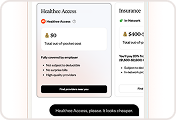
AI also delivers true medical cost transparency. Employees can compare prices for the same procedure across in-network providers, often revealing a 3–5x variation in costs. This level of visibility steers decision-making toward high-value care, protecting both employees and employer budgets.
At scale, the ROI is undeniable. Enterprises gain real-time insights into benefits utilization, identify emerging cost drivers early, and reduce the administrative burden on HR teams. This is the optimal (and we daresay, smarter) operating model.
Final thoughts for enterprise employers
With employer healthcare costs potentially facing their steepest increase in more than two decades, controlling spend is a top priority.
Targeting avoidable costs like low-value care, out-of-network utilization, and ER overuse can help employers like you reduce unnecessary spend without sacrificing access or quality. With AI-powered navigation and better cost transparency, employees can make smarter healthcare decisions that add up to meaningful savings.
As costs continue to rise, we recommend doing whatever it takes to make every healthcare dollar count rather than cutting coverage or shifting more of the burden to employees.