I agree to receive transactional SMS messages from Healthee. Msg frequency varies. Msg & data rates may apply. Text STOP to unsubscribe and HELP for help. Privacy PolicyTerms of Use
Women’s Health Month gives employers an important opportunity to reevaluate how well their benefits actually support employees at every stage of their lives. While many organizations invest heavily in healthcare coverage, women’s specific needs are still frequently overlooked or fragmented across disconnected programs and vendors.
This can cause very real consequences for your business. Benefits play a major role in recruitment, retention, employee satisfaction, and healthcare spend. The companies seeing the strongest results are creating healthcare experiences that are fully accessible to employees and tailored to their needs. What does that look like for women in today’s workforce?
In this blog, we’ll explore the biggest gaps in traditional women’s health benefits and how HR leaders can build more effective benefits strategies.
The hidden gaps in women’s health benefits
Most traditional health plans are designed around generalized care rather than the real healthcare journeys employees navigate throughout their lives. For women, those needs shift significantly over time, from fertility and family planning to preventive care and hormone therapy.
Women also continue to face barriers to timely and appropriate care.¹ Research shows that women—especially LGBTQ+ individuals and communities of color—are more likely to experience healthcare access challenges, discrimination, and lower utilization of care because of stigma or difficulty finding culturally competent providers.²
Some of the most common areas women struggle with include:
Fertility coverage
Menopause support
Chronic condition coverage
Postpartum care
Specialized mental health resources
The challenge isn’t necessarily that employers offer too little coverage. In many cases, employees don’t understand what’s available to them or how to use it effectively. Benefits often become reactive rather than proactive, only coming to mind after employees are already stressed, overwhelmed, or facing serious healthcare situations.
To help close the gaps women encounter with their healthcare, employers need to address two key points: accessibility and education.
Do your current health plans and vendors meet your workforce’s needs and expectations? Are the women in your company fully aware of the benefits they have? What does the process look like when employees are engaging with their health plans? A stronger communication strategy, clearer educational resources, targeted campaigns throughout the year, and better navigation can dramatically improve utilization and employee confidence.
Core women’s health benefits employers should focus on
A strong women’s health strategy should support employees across multiple life stages rather than treating healthcare needs as isolated events. Here are a few key benefits for your company to consider.
Fertility and family-forming support
Family-forming benefits have become one of the clearest indicators of whether an organization truly supports employees through major life decisions. Fertility treatments, egg freezing, adoption assistance, and surrogacy support are increasingly important benefits for a modern workforce.
Equitable access matters just as much as the benefits themselves. Historically, many fertility programs excluded LGBTQ+ employees or nontraditional family structures through restrictive eligibility requirements. Inclusive policies create better experiences while reflecting the realities of today’s workforce.
Family-forming benefits also have a direct impact on retention. Employees navigating fertility challenges often experience emotional stress, financial strain, and significant time commitments. Employers that provide meaningful support during this stage build stronger trust and long-term loyalty.
Maternity, postpartum, and preventive care
Pregnancy support cannot stop at childbirth.
Employees need coordinated support, including prenatal care guidance, postpartum recovery resources, mental health services, and flexible return-to-work accommodations. Yet many organizations still focus primarily on parental leave and overlook the months that follow.
Effective postpartum support may include:
Prenatal care coordination
Lactation support
Flexible return-to-work programs
Postpartum mental health resources
Easier access to specialist care
Preventive care is equally important. Annual checkups, breast cancer screenings, cervical health screenings, and preventive lab work all play a critical role in improving long-term health outcomes while reducing avoidable healthcare costs. Employees are more likely to engage in preventive care when healthcare feels easier to navigate and when communication is clear, personalized, and accessible.
Menopause and midlife care
Menopause remains one of the most overlooked areas in employer healthcare benefits despite affecting a substantial portion of the workforce.
Symptoms such as fatigue, anxiety, sleep disruption, brain fog, and hot flashes can significantly affect daily performance and overall well-being. Unfortunately, many people receive little education or support during this phase of life.
Forward-thinking employers are offering better menopause support through access to specialists, hormone therapy coverage, educational resources, and workplace flexibility. These changes not only improve employee well-being but also help organizations retain experienced employees who might otherwise feel unsupported.
Chronic illness and pain support
Women are more likely than men to experience chronic health conditions such as autoimmune diseases, migraines, chronic pain disorders, and thyroid conditions.³ Yet many employees still struggle to access consistent specialist care, understand coverage requirements, or coordinate treatment across multiple providers.
These conditions can gradually affect productivity, attendance, and overall quality of life when employees are left managing symptoms without proper support. Chronic pain and long-term conditions are also closely tied to mental health challenges, creating additional strain when care feels fragmented or difficult to access.
As an employer, you can improve support by making it easier for employees to find specialists, understand treatment options, access virtual care, and navigate chronic condition coverage. Educational resources and healthcare navigation tools can also help employees identify lower-cost care options, coordinate ongoing treatment plans, and avoid unnecessary delays in care.
Financial health literacy and education
Healthcare costs remain one of the biggest sources of stress for employees, especially for women navigating IVF treatments, chronic conditions, childcare, or ongoing specialist visits. Even employees with strong coverage might avoid care simply because they’re unsure what services will cost or whether they’re covered.
Financial education should be treated as part of the healthcare experience itself. Employees need clear guidance around deductibles, HSAs, FSAs, out-of-pocket costs, and provider pricing so they can make informed healthcare decisions.
Healthcare price transparency tools, benefits education campaigns, and personalized guidance can help employees feel more in control of both their care and their finances. By prioritizing financial health literacy, your team can build employee trust and reduce unnecessary healthcare spending over time.
Mental health and navigation must work together
Mental health benefits cannot exist as isolated programs disconnected from the rest of the healthcare experience.
Women experience unique mental health pressures across different stages of life, including fertility stress, postpartum depression, caregiving burnout, workplace stress, and menopause-related anxiety.⁴ But many employees still struggle to access timely and appropriate care.
Employers can improve engagement by integrating mental health support directly into broader healthcare navigation experiences. Helpful support systems can include:
Virtual and in-person therapy access
Employee Assistance Programs (EAPs)
Provider search and appointment support
Personalized care recommendations
Telehealth mental health services
Normalization also matters more than many organizations realize. Research shows that employees are more likely to use mental health benefits when they hear that colleagues use them too.⁵ When mental health becomes part of regular workplace conversations rather than an emergency-only topic, utilization tends to increase.
At the same time, many employers underestimate how much their benefits performance suffers due to poor navigation. Healthcare systems are fragmented, confusing, and time-consuming. Employees regularly turn to HR teams with questions about what’s in-network, claims issues, costs, and coverage because they don’t know where else to go.
This creates a huge administrative burden for HR departments. That’s why healthcare navigation has become one of the most important topics for employers to consider in their benefits strategy. So, what can you do about it?
How technology helps HR build better benefits experiences
Technology is helping employers move toward guided, accessible, and proactive healthcare experiences.
In an age where people are used to convenient, fast experiences online and in-person (I.e., self-checkout, rideshare apps, and ecommerce), benefits need to follow suit. Employees increasingly expect real-time answers, cost transparency, personalized recommendations, and seamless digital access to care.
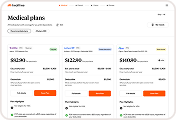
Specifically, AI-powered healthcare navigation platforms can help employees:
Compare health plans
Understand coverage details
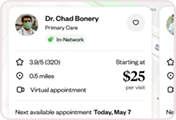
Find in-network providers
Book appointments
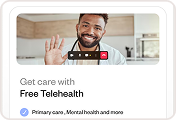
Access telehealth services
Track deductibles and healthcare spending
Receive personalized care recommendations
This is especially valuable in women’s healthcare, where care journeys usually involve multiple providers, ongoing treatments, and complex coverage questions.
Increasing ROI and reducing manual admin work for HR
Healthee is an AI-powered benefits navigation platform that helps employees 24/7 and gives employers multiple ways to lower their healthcare costs.
For example, we worked with a social media employer with 4,000+ employees that saved more than $476,000 within the first two weeks of deployment, driven by improved plan selection, reduced claims, and fraud, waste, and abuse (FWA) detection. HR teams who work with us save an average of 9 hours per week, a figure that scales significantly depending on employee count.
Whether your team decides to use an AI benefits navigator platform or other benefits tools, remember to measure their performance over time. Key metrics worth tracking include preventive care engagement, employee satisfaction, mental health utilization, open enrollment participation, and reductions in benefits-related HR inquiries.
Ready to improve how employees navigate women’s health benefits?
The way your company shows up for women’s benefits, and all employees, will shape their trust, productivity, retention, and overall workplace experience.
Take the time to reevaluate whether your current healthcare strategies truly reflect what your employees need holistically. We’ve seen firsthand what happens when employers make health benefits easier to understand, access, and navigate.
If your team is interested in prioritizing clarity, personalization, and proactive support, reach out to our team. We’d be happy to show you how our AI-powered platform empowers employees to make smarter healthcare decisions.
What are the biggest gaps in traditional women’s health benefits?
Many traditional plans overlook areas like hormone therapy, menopause care, postpartum resources, and mental health navigation. Even when benefits exist, employees often struggle to understand or access them effectively.
How can HR teams improve women’s health benefits without adding dozens of new programs?
Many employers can improve outcomes by focusing on better communication, education, and navigation rather than simply adding more benefits. Clearer resources, awareness campaigns, and easier provider access can significantly improve utilization and employee confidence.
How does Healthee support women’s health benefits navigation?
Healthee helps employees navigate healthcare with personalized, AI-powered support available 24/7. Employees can compare plans, understand coverage, find providers, and access care more confidently while reducing administrative work for HR teams.