I agree to receive transactional SMS messages from Healthee. Msg frequency varies. Msg & data rates may apply. Text STOP to unsubscribe and HELP for help. Privacy PolicyTerms of Use
7 Employee benefits engagement strategies that actually improve experience
April 17, 2026
Benefits engagement is one of the most overlooked drivers of employee experience. Most organizations invest in health plans, wellness programs, and support tools, yet many employees still feel confused, disengaged, or unaware of what’s available to them.
The core of employee benefits engagement is about helping your team understand, access, and actually use the benefits designed to support their health and financial well-being. When engagement is low, utilization drops, satisfaction declines, and employers end up paying for benefits that deliver little impact.
The good news is that improving benefits engagement doesn’t require a complete overhaul. With the right strategies, HR teams can drive meaningful change in as little as 30 to 60 days. In this blog, we’ll break down what effective benefits engagement looks like for leading companies, and seven practical strategies you can implement right away to improve employee experience.
What is benefits engagement?
Benefits engagement is how employees continuously interact with, understand, and use their company-provided benefits, going beyond simple awareness to meaningful, ongoing participation.
It includes three key stages:
Awareness: Employees know what benefits exist
Understanding: Employees fully grasp how those benefits work and when to use them
Action: Employees enroll in and actively use their benefits throughout the year
Most organizations do a decent job with awareness during open enrollment. Where things break down is with understanding and action. Employees often get dense documents filled with niche insurance terms, leaving them unsure how to make decisions or access care.
This gap is more common than many HR teams realize. A recent report revealed that an average of 85% of employees struggle to understand their benefits.¹ This confusion creates challenges across the entire experience, from selecting the right benefits during enrollment to using essential programs when employees need them most.
Common signs of low engagement include:
Low utilization rates across key benefits
High volume of repetitive HR questions
Poor employee satisfaction with benefits
Employees delaying or avoiding care due to confusion
Why employee benefits engagement matters
Strong benefits engagement has a measurable impact across your business. Research shows that engaged employees and teams drive key business outcomes, including organizational growth, profitability, and employee retention.²
Here are a few key areas you should keep tabs on:
Retention and loyalty
Benefits are a major factor in employee retention. When employees feel supported and confident in their benefits, they’re more likely to stay at your organization. Conversely, poor experiences can push talent away.
Employee productivity and well-being
When employees understand how to access care, they’re more likely to seek preventive services and address issues early. This leads to fewer disruptions, lower stress, and better overall productivity.
Employer brand and recruiting
Candidates evaluate benefits as part of total compensation. A clear, accessible benefits experience signals that your organization invests in employee well-being, which strengthens your employer brand.
Cost optimization
Low engagement often leads to inefficient spending. Employees may choose higher-cost care options or underutilize preventive services. By guiding employees to the right care at the right time, organizations can reduce waste and improve ROI.
Top 7 employee benefits engagement strategies
Improving benefits engagement is all about doing the right things consistently and intentionally. The strategies below focus on removing barriers, increasing clarity, and meeting employees where they are in their day-to-day lives.
1) Make benefits simple and easy to find
If employees can’t find or understand their benefits, they gradually give up on trying to use them. Start by creating a single source of truth, such as a centralized benefits hub or portal. This should include:
Plan summaries in plain language
Quick start guides for common scenarios
Easy access to provider search and cost information
Presenting benefits information in clear language is extremely important. Replace jargon-heavy documents with simple explanations and real-life examples. The easier it is to find and understand benefits information, the more likely employees are to act on it without needing HR intervention.
2) Communicate year-round, not just during open enrollment
Open enrollment is only one moment in the employee journey. Engagement requires consistent communication throughout the year. Build an always-on calendar with monthly touchpoints on relevant themes such as preventive care reminders, mental health awareness, and financial wellness education.
Short, timely nudges are more effective than long, infrequent messages. They keep benefits top of mind without overwhelming employees, and they reinforce that benefits are readily available and easy to use.
3) Personalize messaging by employee segment
A one-size-fits-all approach doesn’t work for benefits communication. Different employee groups have different needs. Consider segmenting by:
Life stage (such as new hires, parents, caregivers)
Work environment (such as remote or onsite)
Health needs or engagement level
Then tailor both the content you share and the channels you use to connect with each segment. Personalization increases relevance, leading to higher engagement and stronger trust in the information you share.
4) Use life-event triggers to drive action
Life events are natural moments when employees are most receptive to benefits information. Key triggers include:
Marriage or partnership
Birth or adoption
Relocation
Create automated campaigns that deliver targeted guidance during these moments. These touchpoints feel timely and helpful, rather than promotional, which increases the likelihood of action and reduces confusion during important transitions.
5) Educate managers and HRBPs to be benefits translators
Team managers and HR leaders are often the first points of contact for employee questions, but many aren’t equipped to answer benefits-related inquiries.
Provide an enablement toolkit that includes:
FAQs for common scenarios
Clear escalation paths
Regular office hours with benefits experts
When managers can steer employees to the right resources, they reinforce engagement across the organization without adding pressure to HR teams.
6) Add guidance and decision support
Even with clear communication, benefits decisions can be complex. Employees need tools that simplify their choices.
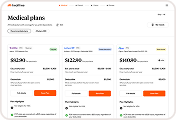
These tools reduce decision fatigue and empower employees to make informed choices quickly. When employees feel confident in their decisions, they’re more likely to follow through and use their benefits appropriately.
7) Measure and iterate with a benefits engagement scorecard
You can’t improve what you don’t measure. Build a simple scorecard with core KPIs such as:
Utilization rates by benefit
Portal adoption
HR ticket volume
Employee satisfaction scores
Measurement creates accountability and direction. Over time, these insights help you refine your strategy and align benefits with actual employee needs rather than assumptions.
Benefits communication: Examples and templates (ready to copy)
Here are practical examples and messages you can start using today to increase engagement. These templates are designed to save time, standardize your approach, and make it easier to engage employees consistently throughout the year.
Sample 12-month benefits communications calendar
January: Preventive care checklist
Ideas: Send a checklist email, share a quick Slack reminder, offer a “book your annual visit” link
February: Heart health awareness
Ideas: Share tips via newsletter, host a short webinar, promote screenings
March: Financial wellness resources
Ideas: Send HSA/FSA tips, share a quick explainer video, host a Q&A session
April: Benefits education refresher
Ideas: Re-share benefits hub, post FAQs in Slack, offer office hours
May: Mental health support
Ideas: Promote EAP, share manager talking points, run an anonymous pulse survey
Ideas: Send reminders, share clinic locations, offer incentives for participation
October: Open enrollment prep
Ideas: Share plan previews, send comparison guides, host intro sessions
November: Open enrollment
Ideas: Send deadline reminders, provide decision tools, offer live support
December: Year-end benefits recap
Ideas: Remind about expiring funds, share “use it before you lose it” tips, recap key benefits
Templates for common benefits topics
Open enrollment announcement
“Open enrollment is here. Take a few minutes to review your options and choose the plan that best fits your needs this year.”
Life event message
“Congrats on your growing family! Here’s a quick guide to your maternity and pediatric benefits.”
Preventive care reminder
“Have you scheduled your annual checkup? In case you didn’t know, most preventive services are fully covered by your insurance.”
EAP awareness
“Support is available when you need it. Your Employee Assistance Program offers confidential help for a range of challenges.”
Financial wellness
“Make the most of your HSA or FSA. Here’s how to use your funds effectively.”
Common pitfalls to avoid with employee benefits engagement
Even well-intentioned strategies can fall short if your approach is off. Avoid these mistakes by focusing on clarity, relevance, and consistency across every touchpoint.
Too many emails with no segmentation: Employees quickly tune out generic messages. Over time, this lowers open rates and reduces trust in HR communications, making future outreach less effective.
Jargon-heavy summaries: Using complex language risks confusing employees. If your workforce needs to decode what they’re reading, they’re more likely to disengage or make poor decisions.
No measurement plan: Without tracking engagement or utilization, HR teams operate on guesswork. This makes it difficult to justify investments or improve outcomes over time.
Overloading information at once: Dumping all benefits information during open enrollment overwhelms employees and leads to rushed or uninformed decisions.
No clear next step: If communications don’t guide employees toward a specific action, engagement stalls. Every message should answer the question, “What should I do next?”
Elevate your employees’ benefits experience
The most effective HR teams take a proactive approach to improving benefits engagement. They simplify information, personalize communication, and use data to guide decisions that’ll support their employees’ overall benefits journey.
At Healthee, we help organizations turn benefits into a seamless experience that employees use with confidence. If you want to improve engagement, reduce HR workload, and help employees make smarter healthcare decisions, contact our team!
Start by simplifying access to information and providing decision support tools. Pair this with targeted, year-round communication and personalized messaging based on employee needs.
What channels work best for benefits communication?
A mix works best. Email is effective for detailed information, while Slack, SMS, and in-app messaging are better for timely reminders. The key is meeting employees where they already are.
What role does technology play in benefits engagement?
Technology can centralize information, automate communication, and offer personalized guidance. It reduces friction for employees and saves HR teams significant time on repetitive questions.
How can Healthee help us improve our benefits engagement?
Healthee improves benefits engagement by giving employees a single place to understand, access, and use their benefits with personalized, real-time guidance. Our platform drives higher utilization and better decisions while reducing the administrative burden on HR teams.