I agree to receive transactional SMS messages from Healthee. Msg frequency varies. Msg & data rates may apply. Text STOP to unsubscribe and HELP for help. Privacy PolicyTerms of Use
The power of early detection: Rethinking preventive care at work
April 10, 2026
What if the most expensive healthcare decision your employees make is doing nothing?
It sounds counterintuitive, but in many organizations, the biggest driver of healthcare costs is delayed care. When employees put off screenings, ignore early symptoms, or avoid care altogether, small issues have time to become complex, costly problems.
Awareness events like National Cancer Prevention and Early Detection Month serve as a reminder that timing plays a critical role in both health outcomes and financial outcomes. Preventive care is not only essential for helping employees live healthier lives but also one of the most effective ways to manage long-term healthcare costs.
Preventive care should be seen as a core strategy rather than a secondary thought. In this post, we’ll dive into the staggering power of preventive benefits and share tips for how companies can build a preventive care culture.
The impact of early detection and preventive care
Early detection has a simple premise: the sooner you identify a health issue, the easier it is to treat. In practice, that principle has a lasting impact on both individuals and organizations.
Routine screenings such as mammograms, colonoscopies, skin checks, and lung cancer screenings are designed to catch conditions before they progress. At that stage, treatment is often less invasive, less expensive, and more successful. For employees, that means better results and less disruption to their daily lives.
Employers see huge financial impacts as well. Early-stage treatment costs are typically far lower than late-stage interventions, which can involve extended care, hospital stays, and time away from work. Preventive screenings also support workforce continuity by reducing unexpected absences and long recovery periods.
Most cost-containment strategies focus on reducing expenses after claims rise. The smarter move is to invest earlier, before those claims ever happen. Early detection is an essential approach for your employees and a proactive way for your business to manage risk.
Preventive care is undervalued, and that’s costing employers
Despite its clear benefits, preventive care is often underutilized. Many employees delay or skip screenings altogether, even when those services are fully covered by their plans.
Why does this happen? Confusion around coverage, concerns about cost, and a general lack of awareness all contribute to inaction. While consumers in the U.S. may be aware that their health insurance plans are required to cover 100% of the costs for preventive care, determining what qualifies as ”preventive care” is complex and can be confusing for employees.¹
Employees might not know what they’re eligible for, when they should schedule care, or how to get started. And given how busy people’s lives are today, if the process feels unclear or time-consuming, they’ll put it off.
That delay has consequences. Low utilization of preventive services leads to late-stage diagnoses, which are significantly more expensive to treat. It also contributes to higher absenteeism and reduced productivity, as employees require more intensive care and longer recovery times.
Employers are already facing pressure from rising healthcare costs. Yet many are unknowingly leaving value on the table by not addressing preventive care initiatives.
What employers gain from preventive care adoption
When preventive care becomes a consistent part of employee behavior, the benefits extend across the organization.
Key business outcomes include:
Lower long-term claims costs: Catching conditions early reduces the need for expensive, late-stage treatments that drive up overall spend.
Reduced emergency and high-acuity care: Preventive action helps avoid costly ER visits and complex interventions that often come from delayed care.
Improved employee productivity and retention: Healthier employees miss fewer days of work and are more engaged in their roles, which supports long-term retention.
Higher benefits utilization and ROI: When employees actually use the benefits you offer, your investment starts delivering measurable value.
Beyond cost savings, there’s a meaningful operational upside.
Less time spent on reactive HR support: Fewer urgent issues and last-minute questions mean HR teams can shift focus away from firefighting.
More strategic use of healthcare data: With better utilization comes better insights, allowing leaders to make informed decisions about future benefits strategy.
Preventive care, with the right approach, improves costs as well as the overall performance of your benefits program.
Your key to more engagement: Solid benefits navigation
If preventive care is so valuable, why do employees struggle to use it?
The answer often comes down to navigation. The healthcare system is complex, and many employees don’t know how to engage with it effectively. They’re unsure what’s covered, when to seek care, where to go, or how much it will cost.
It’s no surprise that 56% of people report feeling completely lost when navigating health insurance.² That confusion creates friction at every step of the process. When employees are uncertain, they hesitate. And when they hesitate, preventive care turns into reactive care.
This is where many benefits strategies fall short. Offering coverage isn’t enough—employees need guidance, clarity, and easy ways to take action.
How Healthee approaches preventive care
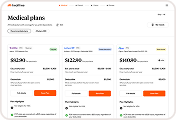
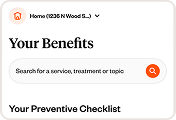
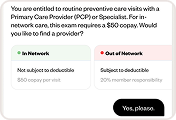
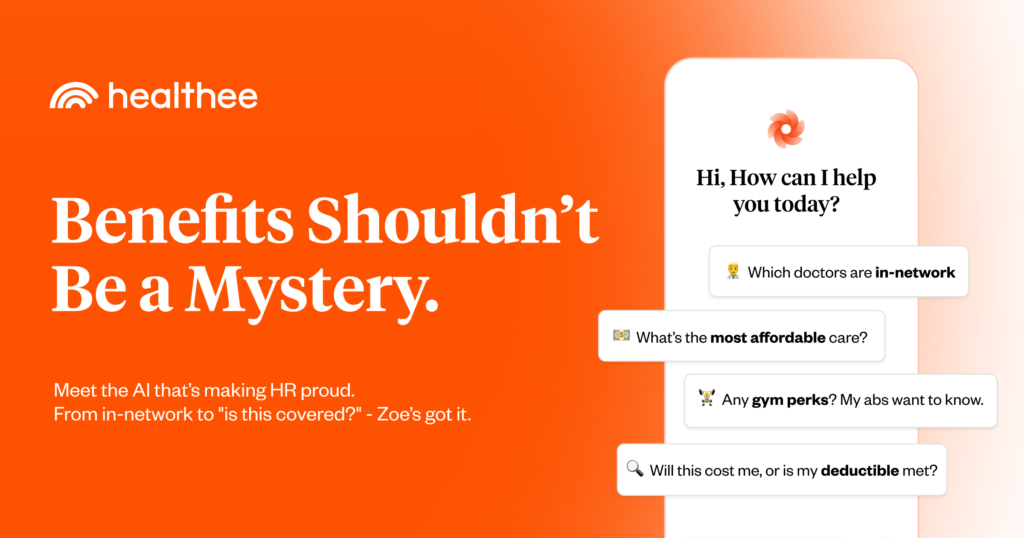
Healthee makes preventive care easier to understand and act on by removing the barriers that lead to delay. Through Zoe, our AI-powered benefits assistant, employees receive personalized guidance tailored to their health needs and coverage. This includes recommendations for relevant screenings, helping employees know exactly what to do and when.
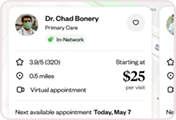
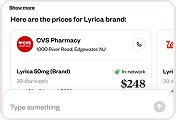
From there, the process becomes simple. Employees can quickly find in-network providers, compare their options, and book appointments without unnecessary back-and-forth. Clear cost visibility prevents surprises, which builds confidence and encourages follow-through.
Ongoing reminders keep preventive care top of mind, while 24/7 access to answers means employees don’t have to rely on HR or navigate the system alone.
Tips for employers who want to build a preventive care culture
Creating a culture of preventive care starts with making it easier for employees to take action. It’s not just about adding more benefits, but about making existing ones more accessible and relevant.
Actionable steps employers can take:
Communicate preventive benefits clearly and consistently
Employees need to understand what’s available to them and why it matters. Clear, simple messaging increases awareness and confidence.
Encourage screenings during key awareness moments
Aligning communications with months like Cancer Prevention and Early Detection Month helps create urgency and reinforces importance.
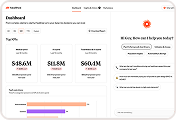
Monitoring how preventive services are used helps uncover where employees may be getting stuck or disengaged.
The most important takeaway is that education alone doesn’t drive behavior change—employees need systems that make the next step obvious and easy.
Make preventive care a priority at your workplace
For employers, preventive care is a financial strategy and an effective way to support employee well-being. It reduces costs before they escalate, improves employee outcomes, and strengthens the overall effectiveness of your benefits program.
National Cancer Prevention and Early Detection Month is a reminder that early action can make all the difference. The organizations that succeed don’t just react to healthcare challenges after they arise; they’re the ones preventing challenges from escalating in the first place.
If you want to learn more about how Healthee promotes early detection and preventive care benefits on our platform, meet with our team!
Encourage employees to use preventive care benefits
Why should HR leaders prioritize early detection in their benefits strategy?
Early detection reduces the likelihood of costly, late-stage treatments and minimizes disruption to your workforce. For HR leaders, this means lower claims costs, fewer unexpected absences, and a more stable, productive team.
If preventive care is already covered, why aren’t employees using it?
The issue is that employees are confused. Many people don’t understand what qualifies as preventive care, what’s covered, or how to take the next step. When the process feels confusing or time-consuming, they delay or skip care altogether.
What are the biggest risks of low preventive care utilization for employers?
Low utilization leads to late diagnoses, higher healthcare spend, and increased absenteeism. It also means you’re not getting full value from the benefits you’re already paying for, which impacts both your budget and employee experience.
How does Healthee help increase preventive care adoption?
Healthee removes the friction that prevents employees from taking action. With personalized guidance from Zoe, employees can understand their coverage, get screening recommendations, compare providers, and book appointments in minutes, making early detection easier and more likely.