For decades, employee health management was an HR administrative function focused on minimizing liability and documenting compliance. We’re talking endless spreadsheets, absence audits, and benefits binders collecting dust in office cabinets.
But in 2026, that model is not only outdated — it’s actively costing companies money, morale, and momentum. Today’s workforce expects a personalized, intuitive benefits experience and support for their total well-being. In fact, 92% of U.S. workers say it’s important to them to work for an organization that values their emotional and psychological well-being.¹
In this post, we’ll cover how forward-thinking employers are shifting their health management from reactive admin work to a dynamic strategy that builds trust, drives productivity, and enhances retention.
Employee health management is the ongoing support of your workforce’s physical, mental, and emotional health. Employers achieve this through benefits, policies, technology, and cultural practices that reduce barriers to care and increase proactive engagement.
It’s no longer just about minimizing sick days or meeting Occupational Safety and Health Act (OSHA) requirements. Instead, the new model:

A key theme here is replacing legacy systems with tools that support real-time guidance and self-service.
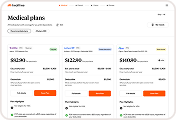
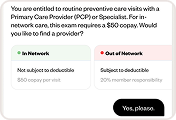
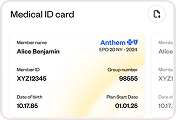
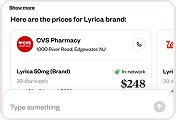
We’re proud of our AI-powered platform at Healthee because it turns complex benefits into clear answers and next steps. Employees can find care, compare plans, and get coverage information without waiting for HR to respond.

Investing in better health access for your employees isn’t just a nice-to-have. It’s a strategic advantage. Here’s how a modern approach drives measurable outcomes:
According to the Business Group on Health, health care costs are expected to grow at the highest rate in a decade. But a large portion of that spending can be preventable. Cancer remains the top condition driving cost, along with musculoskeletal and cardiovascular conditions.²
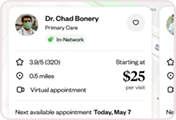
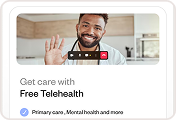
By making it easier for employees to schedule preventive care/screenings, navigate in-network providers, and access telehealth, employers can reduce costly ER visits and late-stage diagnoses.
One Healthee client cut claims costs by 7% by improving access to telehealth and steering employees to in-network providers.
Burnout, stress, and mental health issues drive absenteeism, disengagement, and turnover. According to a survey from the National Alliance on Mental Illness (NAMI), about 4 in 5 people said it would be helpful to receive information about employer health insurance benefits for mental health treatment and stress/burnout management.
However, only 20% get that guidance. And nearly half of the respondents reported that they would worry about being judged if they talked about their own mental health.³
Creating a psychologically safe workplace means offering not just Employee Assistance Programs (EAPs), but also culturally competent care options, on-demand mental health access, and manager support training.
A 2024 report by MetLife found that 87% of employees would consider leaving a company that does not focus on their well-being. Yet fewer than two-thirds of employees think their employer demonstrates care about their circumstances, challenges, and needs.⁴
When you deliver seamless and personalized care throughout the employee experience, your team will feel supported. It shows them that their well-being is a top priority, and they’re more likely to show up at work — not just physically, but emotionally and creatively.
Healthier, engaged employees are more productive and resilient. Research shows that workers who feel cared for by their employer are more likely to stay, recommend their workplace to others, and go above and beyond in their roles.⁵
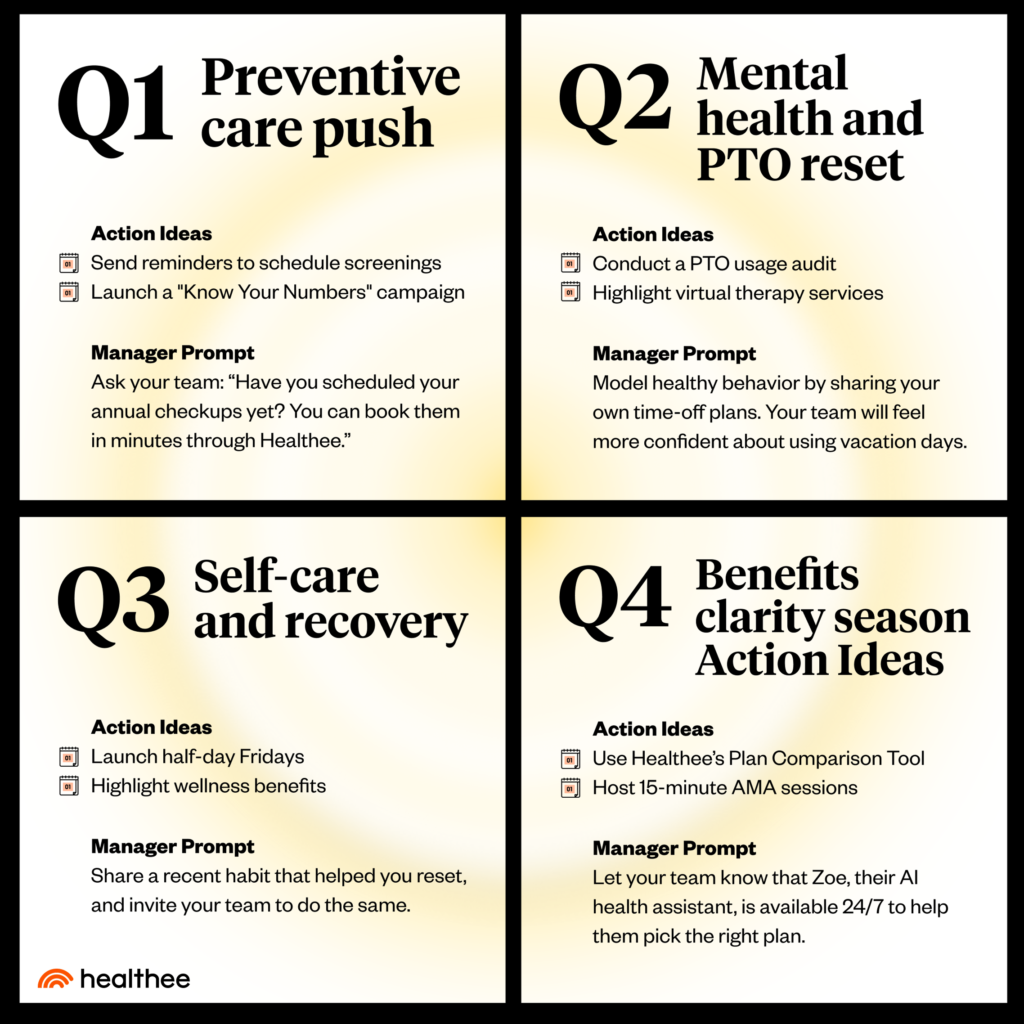
Planning year-round health engagement can feel daunting, but it doesn’t have to be complex. There are many health-related awareness events you can use to connect with employees in a way that feels timely and thoughtful.
Here’s how a high-impact calendar might look:
Key Dates:
Action Ideas:
Manager Prompt:
“Ask your team: Have you scheduled your annual checkups yet? You can book them in minutes through Healthee.”
Key Dates:
Action Ideas:
Manager Prompt:
“Model healthy behavior by sharing your own time-off plans. Your team will feel more confident about using vacation (or mental health) days.”
Key Dates:
Action Ideas:
Manager Prompt:
“Share a recent habit that helped you reset, and invite your team to do the same.”
Key Dates:
Action Ideas:
Manager Prompt:
“Let your team know that Zoe, their AI health assistant, is available 24/7 to help them pick the right plan.”
Legacy benefits tools are often outdated platforms that focus on administration over employee usability. They have frustrating manual processes, limited self-service functionality, and clunky (if any) mobile access.
Experience-forward platforms flip that script. They support employees with:
With support from Healthee’s benefits experience platform, one of our clients saw an 87% reduction in HR admin work during open enrollment. Plus, employees only spent an average of 9 minutes selecting their plans.

A health-first culture prioritizes employees’ total well-being as the foundation, not just a perk. The goal isn’t to micromanage how people care for themselves. It’s to create an environment where care is straightforward, accessible, and encouraged.
You can start fostering a health-first culture with:
If your current system creates more confusion than clarity, it’s time for a smarter, more human-centered solution.
Here’s a checklist for choosing a great partner:
A strong partner should give you clear, measurable proof of their impact. They’ll deliver real results that you’re excited to share with your CFO or executive team. Look for platforms that can quantify their value through significant time savings for HR, reduced claims costs, and improved employee engagement.
The era of surveillance-based health management is over. The companies thriving in 2026 are building systems that work with, not against, their people’s real health needs.
You don’t have to revamp everything overnight. Start small by choosing one health campaign from our calendar. Have conversations with your managers about how they can model care-first behavior.
When you’re ready to make employee health management effortless and effective, we’re here to help.
1. American Psychological Association. “2023 Workplace Health and Well-being Report.” https://www.apa.org/pubs/reports/work-in-america/2023-workplace-health-well-being
2. Business Group on Health. “2025 Employer Health Care Strategy Survey: Executive Summary.” https://www.businessgrouphealth.org/resources/2025-employer-health-care-strategy-survey-executive-summary
3. National Alliance on Mental Illness. “The 2025 NAMI Workplace Mental Health Poll.” https://www.nami.org/support-education/publications-reports/survey-reports/the-2025-nami-workplace-mental-health-poll/#key5
4. MetLife. “The Business Value of Employee Care.” https://www.metlife.com/workforce-insights/the-business-value-of-employee-care/
5. American Psychological Association. “2023 Workplace Health and Well-being Report.” https://www.apa.org/pubs/reports/work-in-america/2023-workplace-health-well-being
6. National Institutes of Health. “Know Your Numbers Campaign.” https://wellnessatnih.ors.od.nih.gov/Pages/KnowYourNumbers.aspx
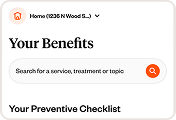
Preventive care helps catch health issues before they become costly, chronic conditions. Screenings, vaccinations, and regular checkups can reduce claims, improve productivity, and keep employees healthier overall. Plus, many employees skip preventive care simply because they don’t know what’s covered or how to schedule it.
Psychological safety means employees feel comfortable asking questions and using benefits without fear of stigma or judgment. HR can promote this by normalizing mental health conversations, providing judgment-free communication about coverage, training managers on how to respond to stress and burnout, and making support available privately and on demand.
Most legacy platforms are built for HR compliance and record-keeping, not employee empowerment. Healthee focuses on the experience layer of benefits. That means giving employees 24/7 access to coverage answers, provider search, and plan comparisons with our AI assistant, Zoe. This helps reduce HR inquiries and confusion during high-volume periods like OE.
Healthee integrates seamlessly with most major HRIS, ben admin, and payroll systems. Implementation typically takes just 4 to 6 weeks, depending on the complexity of your current stack. We also provide onboarding support, internal rollout materials, and training for both employees and HR admins to ensure everyone’s on the same page from day one.
Keeping up with the latest HR and People Ops conversations can be daunting. Here are 14 HR influencers who share thoughtful, timely insights.
Here’s what you should know about PEO health insurance, including top advantages for SMBs and how to find the best partner for your business.
We'll show you how our employee benefits strategies can enhance productivity, attract talent, and boost employee satisfaction.