Everyone wants to work in an environment that feels motivating, rewarding, and supportive – yet true work satisfaction can be surprisingly elusive.
Increasing work satisfaction goes far beyond pay; it’s about building purpose, balance, and belonging into the employee experience.
According to a recurring survey by The Conference Board, 62.7% of US employees surveyed in 2024 said they were satisfied with their jobs. If that sounds low, you might be surprised that it’s actually an all-time high since the survey’s inception in 1987.
But you may still be asking yourself what this elusive concept called “job satisfaction” is that is so important. And how important is it really? And how can it be cultivated?
In this article, we’ll explore what work satisfaction really means, why it matters, and how you can increase work satisfaction across your organization using actionable, research-backed strategies.
Work satisfaction is basically the contentment employees have with their jobs. Symptoms of work satisfaction include happiness and fulfillment in one’s role, along with loyalty, productivity, and, last but not least, engagement.
Why is job satisfaction so correlated to employee loyalty and productivity? Simply put, employees who are satisfied and fulfilled with their jobs are likely to stay longer and be more passionate about their contributions to the company.
Increasing work satisfaction isn’t just about making employees happy, it directly impacts performance, engagement, and loyalty. When work satisfaction rises, so do productivity, collaboration, and retention rates. Companies that invest in improving satisfaction consistently outperform those that don’t, both in culture and bottom-line results.
Job satisfaction is a critical component of a company’s success because it not only affects each employee individually but also the overall performance of the whole organization.
Here are several reasons why employee job satisfaction can make or break a company:
Anyone who’s ever experienced the euphoria of satisfaction with their job knows that satisfaction equals more production. You just feel like you want to.
It’s also been proven. According to a 2015 study by the University of Warwick, happy employees are up to 12% more productive. And a 2019 study by Oxford University found that “happy workers are 13% more productive.”
Satisfied employees tend to be more passionate about their roles (see the section about internal job satisfaction below). They care.
They are more likely to go above and beyond. They take greater pride in their work. This translates to a higher-quality output and fewer mistakes.
High job satisfaction can significantly reduce turnover rates. And recruiting and training new employees is costly. It costs money and time — not to mention all of the collected experience unique to your company that gets lost each time an employee leaves.
Call it Pavlovian, but people, just like animals, are more likely to go where they feel good. Satisfied employees are less likely to take unnecessary sick days or cut corners with their attendance at work.
But unhappy employees who can’t stand being at work find ways to be there less. And therefore, even when they’re there, they’re not. They spend more time on the phone, in the bathroom, and on break. You may even have met someone who has felt that way at some point in their career.😉
Satisfied employees are more likely to speak positively about their company, which, as you know, attracts top talent, better customers, and more enthusiastic investors. Think to yourself, what’s your company’s Glassdoor rating?
Work satisfaction stems from both internal and external factors. Understanding the difference helps leaders design initiatives that meet employees’ emotional and professional needs.
Intrinsic job satisfaction is the fulfillment that employees feel from the nature of the work itself and the tasks it involves. It is influenced by internal factors like how much their work:
Why are the factors that lead to intrinsic job satisfaction so powerful? It’s simple. When you tap into internal motivations and provide a feeling of satisfaction, you’re fulfilling employees’ deeper psychological needs — and that’s a really big deal.
Employees with high intrinsic job satisfaction are likely to be loyal to an extreme and less likely to quit because they don’t want to quit the dopamine rush called “fulfillment.”
Extrinsic job satisfaction is the fulfillment that employees get from external factors such as:
Extrinsic factors can motivate employees in the short term, but they do not have the power to engage employees as intrinsic factors do. Hence, those primarily motivated only by extrinsic factors will likely jump ship if offered higher pay or better benefits elsewhere.
One of the most powerful ways to increase work satisfaction is to help employees connect their daily tasks to a greater sense of purpose. People are happier and more engaged when they understand why their work matters — not just what they do. When employees see how their contributions support the company’s mission or impact customers, motivation and satisfaction rise naturally.
Passionate employees who find their work meaningful are the team’s hardest-working and most passionate people. Because they have satisfied their intrinsic desire to be part of something purposeful, these employees will likely decline job offers with higher salaries if they don’t find the work as meaningful to them.
How to help employees find meaning in their work:
Connect individual roles to company outcomes: Regularly communicate how each team’s work contributes to broader business or societal goals.
Recognize purpose in progress: Celebrate milestones that demonstrate impact — for example, how a project improved a client’s experience or saved the company resources.
Encourage storytelling: Share real stories of employees making a difference; it reinforces that what they do matters.
Give autonomy: Allow employees to shape their projects and bring their ideas to life. Ownership naturally breeds meaning.
Example: Salesforce runs “Volunteer Time Off” programs, giving employees paid days to support causes they care about. Employees consistently rank this initiative among the top contributors to their work satisfaction and loyalty.
While meaning fuels intrinsic motivation, fair compensation and benefits satisfy the external side of work satisfaction — ensuring employees feel both fulfilled and rewarded for their contributions.
Compensation and benefits are foundational to work satisfaction. Employees who feel fairly rewarded for their time, skills, and contributions are more motivated and engaged. But increasing work satisfaction through compensation isn’t only about pay levels, it’s also about transparency, fairness, and how easy it is to access and understand benefits.
Everyone knows that employees want to feel like their efforts, skills, and experiences are compensated accordingly. Hence, higher compensation and better benefits offers have a strong positive relationship with employee job satisfaction.
However, many companies are only starting to realize the importance of making the benefits experience smooth and easy. The benefits experience you create shows how much you appreciate your precious employees and their hard work.
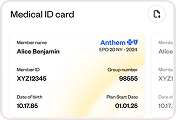
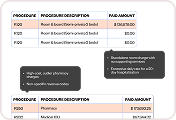
Healthee in action: When employees can instantly see what’s covered, compare care costs, and book the right providers, satisfaction rises. Healthee’s AI-powered platform reduces HR tickets and helps employees feel genuinely supported, key drivers to increase work satisfaction. It transforms the benefits experience from a source of frustration into a moment of empowerment and trust.
How to use compensation and benefits to increase work satisfaction:
Pay fairly and transparently: Benchmark salaries regularly against market data and clearly communicate your pay philosophy. Transparency builds trust and boosts morale.
Provide personalized benefits: Offer flexible plans that address diverse needs — such as mental health coverage, fertility benefits, or student loan assistance.
Recognize contributions beyond pay: Combine financial rewards with praise, growth opportunities, and visible appreciation to create holistic satisfaction.
Simplify access to benefits (with Healthee): Give employees an AI-guided way to understand coverage, costs, and next steps. Healthee reduces confusion, enhances confidence in the benefits package, and helps increase work satisfaction.
Example: Costco’s compensation strategy is a model for satisfaction-driven pay. By offering above-market wages and exceptional healthcare and retirement benefits, Costco consistently ranks among the top employers for employee happiness and loyalty.
Callout: Companies that simplify benefits access see higher perceived compensation value. With Healthee, employees understand their benefits in seconds, translating that clarity into everyday satisfaction and stronger workplace trust.
Fair pay and a supportive benefits experience form the foundation of satisfaction. Combined with tools like Healthee to eliminate everyday benefits friction, the next key to increasing work satisfaction lies in helping employees achieve better work-life balance, both inside and outside the workplace
Having an established work-life balance is one of the most effective ways to increase work satisfaction and reduce the risk of employee burnout. This is especially true now that more and more people are working from home, where separating personal and professional lives can be tricky. When employees feel trusted to manage their time and have room for their personal responsibilities, they’re happier, more focused, and more productive.
Encouraging a healthy work-life balance by offering adequate vacation time, sick leave, and flexible hours helps employees feel supported as people, not just as workers. Flexibility is no longer a perk, it’s a performance driver that signals respect and trust. Studies consistently show that employees who believe their employers value their personal time are significantly more engaged and satisfied with their jobs.
How to promote work-life balance and increase work satisfaction:
Encourage flexibility: Allow employees to choose how, when, and where they work best. Remote and hybrid options, or flexible schedules, reduce stress and create ownership over their work.
Set healthy boundaries: Leadership should model good behavior by discouraging after-hours communication and respecting employees’ personal time.
Promote rest and recovery: Encourage employees to take their full vacation days and make mental health days an accepted part of your culture. Time off is an investment in long-term performance.
Support caregivers and parents: Offer family-related benefits like parental leave or child-care stipends to help employees balance home responsibilities.
Simplify stressful processes: Administrative or logistical burdens — like figuring out healthcare, scheduling time off, or managing HR tasks — can quietly undermine balance. Providing streamlined, intuitive tools to handle these needs reduces stress and helps employees stay focused on what really matters.
Example: Companies like HubSpot and Atlassian have implemented initiatives such as “No-Meeting Fridays” and “Recharge Weeks,” which allow employees dedicated time to reset. These programs have been shown to increase overall work satisfaction, foster creativity, and reduce burnout across teams.
Ultimately, work-life balance is about trust. When companies give employees control over their time and make it easier to manage their personal lives alongside their work, satisfaction naturally follows. Employees who feel balanced are not only more fulfilled but also more motivated to give their best — a win-win for both people and business.
f your employees constantly wonder, “Am I next?” it’s almost impossible to build a satisfied, motivated workforce. Job insecurity creates anxiety, lowers engagement, and makes employees less likely to invest emotionally in their work. On the other hand, when people feel safe in their roles and trust that their organization is stable, they can focus on doing their best work, and that sense of safety directly helps increase work satisfaction.
A strong feeling of job security allows employees to commit to long-term goals, take creative risks, and collaborate more confidently. When employees believe their employer values them and is invested in their future, they’re not just staying for a paycheck — they’re staying because they believe in the organization.
How to strengthen job security and increase work satisfaction:
Communicate transparently: Keep employees informed about company goals, financial health, and any organizational changes. Uncertainty often fuels insecurity more than bad news itself.
Recognize contributions: Regularly acknowledge employees’ efforts and show how their work impacts company success. When people see how they matter, they feel more secure.
Invest in career development: Offer reskilling and upskilling opportunities so employees know their growth is part of your plan — not a disposable cost.
Build trust during change: If layoffs or restructuring are unavoidable, lead with empathy and honesty. How leaders handle transitions determines how secure remaining employees will feel afterward.
Create stability through culture: Consistent leadership, fair treatment, and open communication foster the kind of predictability that makes employees feel safe and respected.
Example: During the pandemic, several companies, including Salesforce and Microsoft, publicly committed to avoiding layoffs where possible and redirecting employees to new roles instead. That transparency and reassurance significantly increased work satisfaction and loyalty during uncertain times.
Job security isn’t just about keeping a position; it’s about cultivating trust. When employees feel confident that their organization values their contributions and will support them through change, satisfaction rises, and so does performance. A stable environment builds not only retention but also stronger, more dedicated teams.
Several studies have shown that positive reinforcement is far more effective than criticism when it comes to shaping behavior and maintaining motivation. Regular recognition of employees’ hard work and achievements doesn’t just boost morale, it directly helps increase work satisfaction. Feeling seen and appreciated satisfies a basic human need for validation and belonging.
When employees consistently receive acknowledgment for their efforts, they develop stronger emotional connections with their work and their organization. On the other hand, when good performance goes unnoticed, motivation fades quickly. Recognition turns effort into pride, and pride fuels engagement, loyalty, and productivity.
How to build a culture of recognition and increase work satisfaction:
Make recognition timely and specific: Don’t wait for annual reviews. Acknowledge achievements in the moment, whether it’s through a team meeting shout-out or a quick message of thanks.
Personalize appreciation: Tailor recognition to individual preferences — some employees appreciate public praise, while others value a quiet note of thanks.
Encourage peer recognition: Create opportunities for employees to celebrate each other’s contributions. Peer-to-peer appreciation reinforces teamwork and shared success.
Recognize effort, not just outcomes: Sometimes the journey deserves as much credit as the result. Rewarding perseverance builds confidence and resilience.
Tie recognition to company values: When you highlight actions that align with your mission, you strengthen culture and help employees see the bigger purpose behind their work.
Example: Adobe replaced traditional performance reviews with a system of ongoing “Check-Ins,” where feedback and recognition happen continuously instead of once a year. This simple shift created a culture of appreciation and increased overall work satisfaction, employees felt more valued, trusted, and aligned with company goals.
Being generous and genuine in your recognition doesn’t require big budgets,only consistency and sincerity. Whether through public praise, handwritten notes, or personal messages, showing appreciation is one of the simplest and most impactful ways to increase work satisfaction and build a culture of loyalty and excellence.
Everyone starts a new job full of energy and motivation, but over time, one of the top reasons employees leave is the lack of growth opportunities. People want to be challenged and to feel like their careers are moving forward. Growth is one of the most powerful drivers of motivation and satisfaction — and one of the most reliable ways to increase work satisfaction and retain your best performers.
According to Pew Research, 63% of employees who quit in 2021 cited the lack of advancement opportunities as a key reason they left. Without a clear path forward, even the most dedicated employees can lose their sense of purpose. When professional development is prioritized, engagement, loyalty, and satisfaction rise across every level of the organization.
Kara Baskin of MIT’s Sloan School of Management highlights three simple but transformative strategies to make development meaningful:
Make growth visible: Outline transparent promotion criteria, create clear career paths, and share success stories of employees who’ve advanced internally.
Provide opportunities to learn and practice: Offer access to training, workshops, mentorship programs, and stretch projects that help employees grow into new responsibilities.
Deliver rich feedback and coaching: Feedback shouldn’t just evaluate — it should guide. Constructive, personalized coaching turns potential into performance.
Beyond those steps, companies can also:
Encourage continuous learning: Offer access to online courses, certifications, or conferences. Even small learning opportunities can have a major impact on satisfaction.
Reward curiosity: Recognize employees who take initiative to learn new skills or contribute innovative ideas — it reinforces a culture of growth and progress.
Example: At SAS, employees have access to a wide range of in-house programs, from leadership courses to technical training. This consistent investment in development has led to high engagement, strong retention, and a measurable increase in work satisfaction.
For many employers, creating opportunities for advancement delivers the highest return on investment in both retention and morale. Growth doesn’t always mean a promotion; sometimes it means learning a new skill, leading a project, or mentoring others. When employees see that their potential is being invested in, their sense of purpose, and satisfaction, skyrockets.
By nurturing your employees’ skills and ambitions, you’re not just building stronger individuals; you’re building a stronger, more resilient organization. Growth fuels purpose, and purpose is one of the most powerful ingredients for lasting work satisfaction.
Being able to praise employees effectively is a hugely important part of management. Recognition boosts confidence, strengthens relationships, and directly helps increase work satisfaction. But being able to do it without making others jealous is an even greater skill — one that distinguishes great leaders from good ones.
The key is balance.
When recognizing achievements, highlight team contributions alongside individual ones, and tie praise to company values rather than personal favoritism. Instead of “Sarah is the best,” try “Sarah’s initiative helped the entire marketing team deliver ahead of schedule, a great example of our teamwork value.” This kind of framing celebrates excellence while reinforcing collective success.
Additionally, use a mix of public and private recognition. Some employees thrive on being celebrated publicly, while others prefer a quiet thank-you message or personal note. Understanding each person’s preferences makes recognition more meaningful and reduces any sense of competition or resentment.
In the end, acknowledgment should never be a zero-sum game. When done thoughtfully, it creates a culture where everyone feels valued , and that’s where genuine satisfaction begins to grow.
Employees are most satisfied when they see how their work contributes to something larger than themselves. Helping people understand their impact on the company’s success, or even society, is one of the most effective ways to increase work satisfaction. When employees see that their daily efforts make a difference, their motivation becomes self-sustaining.
Ensure that employees understand the purpose behind their work by regularly sharing data and results. For example, show how their project improved customer retention, boosted sales, or reduced operational costs. Even simple metrics, when connected to human outcomes, can transform routine tasks into meaningful achievements.
Additionally, if your organization has a mission that inspires intrinsic motivation, remind employees of it often. Celebrate the “why,” not just the “what.”
For instance, at Healthee, we’re inspired every day by helping companies nationwide make the most of their health benefits, save money, and improve employee satisfaction. Knowing that our work helps people navigate healthcare with less stress gives our teams a deep sense of purpose, and that purpose fuels engagement and pride.
Purpose is a powerful motivator. When employees feel their efforts matter and align with a meaningful mission, work becomes more than a job, it becomes something they’re proud to be part of.
No matter how positive a workplace culture is, issues will arise, and how quickly and transparently they’re addressed determines whether they grow or disappear. Managers and HR staff should always be accessible so employees can raise concerns without fear of judgment or retaliation. Having an open-door policy or designated office hours for discussions can go a long way toward building trust.
Once an issue is raised, address it promptly and communicate clearly. Investigate the concern, take visible action, and circle back with the employee to confirm resolution, while maintaining confidentiality. This follow-up step is crucial: when people see that their feedback leads to change, trust deepens and satisfaction rises.
Ignoring or delaying problems, on the other hand, erodes credibility and can lead to disengagement. Employees want to feel heard and supported. By taking their concerns seriously and acting on them, leaders reinforce that every voice matters, and that’s one of the surest ways to increase work satisfaction across the organization.
Rolling out employee satisfaction surveys has been a staple of many companies to assess their team’s satisfaction levels.
The most common method is to conduct regular (monthly, quarterly, or semi-annually) anonymous surveys to encourage honest responses. For more insightful data, the survey should ask questions about:
Typically, these questionnaires are in a rating (1-10 or 1-5) or Likert scale format.
Once you have established a collaborative working environment, employees’ one-on-one meetings with supervisors can provide deep insights into employee satisfaction. The key here is to encourage a safe space. Otherwise, employees may not say what they truly feel during the interviews.
When done right, these discussions can uncover nuanced views and feelings about the workplace that surveys might miss.
The most honest feedback can sometimes be attained from people who will no longer be working for the company. Because they have less reason to filter their responses since they already have one foot out the door. This is when you want to ask a few open-ended questions to encourage them to pour their hearts out and give you as much insight as possible.
Here are some of the questions you may ask:
After collecting data from these methods, analyze the results and identify patterns among the employees’ answers. And implement changes based on the findings.
Satisfied employees are not only more productive and engaged but also less likely to commit the sin of absenteeism. One study found that highly engaged teams were 21% more profitable, suffered 41% less absenteeism, and had 59% less turnover.
Studies have consistently shown that employees who feel secure in their jobs are more likely to have higher levels of job satisfaction.
Conversely, employees who feel insecure in their jobs are anxious about being let go for reasons that are either barely in their control or, perhaps, not at all.
Subjectively, from what we’ve seen, a widespread mistake, and probably the most common one that managers make concerning job satisfaction, is assuming that financial compensation is the primary or the only driving factor.
While competitive pay is undoubtedly important, job satisfaction is influenced by a mix of factors such as work-life balance, career growth opportunities, leadership quality, relationships at work, etc. When managers are too focused on salaries, they tend to neglect these other critical aspects of employee job satisfaction.

Get actionable steps to optimize your employee well-being strategy and learn how to empower your team to make the most of their benefits.

Keeping up with the latest HR and People Ops conversations can be daunting. Here are 14 HR influencers who share thoughtful, timely insights.

Here’s what you should know about PEO health insurance, including top advantages for SMBs and how to find the best partner for your business.