
The U.S. healthcare system is well-known for its complexity. And with so many insurance options, providers, and regulations, it’s no wonder employees and their families struggle to navigate their benefits.
About 62% of Americans say it’s hard to understand basic health insurance details, such as deductibles and co-insurance.¹ What does this mean for your business?
When employees struggle with benefits, it can lead to increased healthcare costs and dissatisfaction with leadership. With healthcare spend increasing for most employers every year, now’s the time to be proactive about healthcare navigation solutions.
In this post, we’ll explain what health navigation solutions are available, how these tools can help your business, and how to decide on the best option for your team.
Healthcare navigation solutions, often referred to as benefits navigation tools, are specialized resources designed to simplify the complexities of the U.S. healthcare system. These tools guide employees and their families to ensure they make informed and cost-effective decisions.
These tools are designed to:
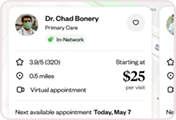
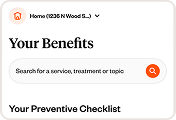
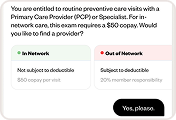
Benefits navigation tools offer employees personalized assistance in understanding their healthcare options. They help individuals navigate insurance plans, identify in-network providers, and make informed decisions.
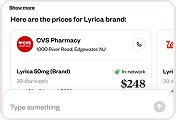
Benefits navigation tools provide clarity on healthcare costs. Employees can compare prices, estimate out-of-pocket expenses, and make financially sound choices when seeking medical care.
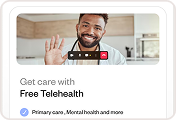
Benefits navigation tools can connect employees with healthcare experts, such as benefits advisors or licensed clinicians. These healthcare providers answer your employees’ questions, offer guidance, and provide support throughout the healthcare journey.
Health benefits navigation tools are vital for every business because they empower your workforce to maximize their healthcare benefits.
Here’s a breakdown of specific benefits you can expect from these tools.

Cost control is arguably the biggest reason companies implement navigation tools for their employees.
These navigation solutions help employees make informed choices regarding their healthcare. It allows them to:
These can reduce long-term healthcare costs for both employees and your company’s bottom line. Navigation tools provide clarity on healthcare costs, enabling employees to seek in-network providers, compare prices, know the out-of-pocket expenses, and make financially sound decisions.
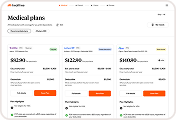
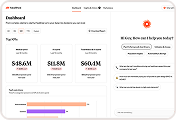
Imagine how much time your HR team could save when a health navigation solution like Healthee handles employee communication, resulting in streamlined administrative processes and simplified benefits-related tasks, thereby freeing your team to focus on more significant challenges.
Meaning, your HR staff will be able to devote their time to more strategic initiatives and focus on the things that will make the most significant impact.
The complexity of the healthcare system can leave a bad taste in employees’ mouths. However, a healthcare navigation solution like Healthee can simplify the process through quick, personalized responses. This not only minimizes frustration and confusion but can also potentially help them find better care.
When employees feel supported and informed, their satisfaction and engagement with your leadership and culture skyrocket.
Robust health benefits navigation services will not only help you retain your top talent but also make your company more enticing for jobseekers.
That’s because potential hires are more likely to choose an employer offering clear and accessible healthcare resources. And that means strengthening the company’s ability to attract top talent.
When considering benefits navigation solutions, it’s best to be aware of the various options at your disposal.
The four types of healthcare navigation solutions are:

Traditional healthcare navigation methods involve human or in-person assistance. Companies have relied on these methods for years, and they provide a personal touch when guiding individuals through the complexities of healthcare.
Here are a few examples of traditional solutions:
Who benefits most from traditional methods?
Traditional methods are suitable for individuals and employees who prefer direct human interaction and guidance. This category is especially beneficial for employees who require hands-on guidance and a deeper level of engagement with their benefits.
The challenge is that traditional solutions are the most time-intensive and are subject to human errors.
Technological solutions leverage digital tools and platforms to simplify the process of understanding and managing healthcare benefits.
Some examples of technological solutions include:
Who benefits most from digital solutions?
Technological solutions are suitable for users who prefer self-service, convenience, and digital access when managing healthcare benefits.
Additionally, these tools are particularly beneficial for companies and tech-savvy individuals who value the flexibility of accessing their benefits and healthcare information online at their convenience.
Hybrid methods combine the advantages of technology with human expertise to offer a comprehensive approach to healthcare benefits navigation. These solutions provide the convenience of digital tools while ensuring access to human support when necessary.
Here are some examples of hybrid model navigation solutions:
Who benefits most from hybrid models?
Hybrid methods are suitable for individuals who value the convenience and accessibility of technology but may also require personalized assistance in specific aspects of healthcare benefits. Employees can enjoy a balanced approach between the efficiency of technology and the assurance of a human touch.
Specialized navigation instruments are tailored to meet the unique healthcare needs of specific groups, providing targeted support and information for individuals facing distinctive healthcare challenges.
Real-life specialized navigation methods include:
A pediatric health benefits navigator helps parents and caregivers navigate health benefits for children. It does so by providing information on pediatric healthcare services, preventive care schedules, and ways to maximize benefits for their children, including coverage for check-ups, vaccinations, and child-specific treatments.
One example of this is the eHealthInsurance website, which helps families find child-only health plans.³ Users can filter the results by setting the primary member as the child and exploring plans tailored to their medical requirements. Every Child Pediatrics’ Care Navigator offers trained professionals to assist families in obtaining health insurance.⁴
The Veteran’s health-benefits portal is tailored to the unique needs of veterans, including those covered by the Veterans Health Administration (VA).⁵ It does so by offering comprehensive information on VA health benefits, including eligibility criteria, services available, and assistance in coordinating primary care between VA benefits and private health insurance when applicable.
The Senior Health Benefits Aggregator is designed for seniors, especially those eligible for Medicare. It provides information on Medicare health plans, supplemental insurance options, prescription drug coverage, senior wellness programs, and retirement-related healthcare options. For example, Australian company Brevity has a feature specifically designed to help Aged Care Providers serve their HCP and CHSP clients effectively.
Disease-specific platforms are focused on assisting patients with specific disorders (for example, diabetes or mental health). As such, they can help users navigate through therapies, providers, and insurance alternatives that are targeted to their individual needs.
For example, the American Diabetes Association offers resources to help people with diabetes navigate their insurance choices, understand their options, and learn how to obtain prior authorizations and file exceptions and appeals.⁶ Additionally, they offer information about resources that may help with medical expenses for diabetes patients.
Who benefits most from specialized navigation instruments?
Specialized navigation instruments are designed for individuals with specific healthcare needs, such as parents with children, veterans, or senior citizens. These tools provide targeted support and information to help these groups navigate their unique healthcare benefits more effectively.
With so many options available in the market today, how do you know which one is a perfect fit for your company?
These factors all play a vital role in finding the right fit:
Let’s take a closer look at these factors and a few other things to consider before selecting a health benefits navigation tool that is right for your company.
The first step is to understand the unique situations, healthcare needs, and preferences of your employees, such as their:
This can be done by conducting surveys, meetings, or reviewing your employee database. You can find out as much as possible about your employees and their healthcare needs. And doing so helps you tailor the benefits navigation solution to your workforce’s specific needs and preferences.
For example, if your employee population is predominantly young and tech-savvy, consider prioritizing digital solutions like AI-based navigation apps. However, if the majority of your employees aren’t familiar with using online platforms, it might be worth considering specialized solutions catered to their needs.
The cost of implementing and maintaining your benefits navigation tool is an important consideration. In general, while traditional solutions offer a human-to-human connection, they can be expensive to scale.
As your company grows, technology-driven navigation tools become more cost-effective because maintaining software is usually cheaper than hiring and training more support teams to cater to benefits-related questions.
Here are a few ways to gauge your:
Then, after collecting feedback, you will want to analyze the specific health concerns and medical requirements of your employees.
Likewise, it’s important to be agile in implementing improvements based on employee feedback.
Finally, make sure employees see their suggestions and concerns addressed, which reinforces their belief that their voices matter.
Your solution should accommodate changes in your workforce’s evolving needs. If your business is growing, ask yourself these questions:
If you plan to reduce your workforce, you should still assess how the solution can scale down without unnecessary expenses. In that case, a key question would be whether you can quickly and smoothly reduce the number of features or licenses.
Safeguarding sensitive employee information isn’t just a best practice; it’s a legal and ethical imperative.
So, here are a few questions to ensure your benefits solution keeps your data safe:
Non-compliance with data privacy laws can have dire consequences like hefty fines, legal actions, and severe damage to your company’s reputation. Make sure your team prioritizes compliance to protect your employees and your organization.
Health benefits are complex. With the right solution in place, your HR team can help make them more accessible and user-friendly for employees.
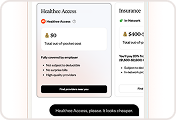
At Healthee, our AI-powered platform offers employees a personalized user experience with real-time answers, efficient open enrollment support, and cost-effective care guidance.
Want to dive into the future of healthcare navigation with Healthee and empower your organization? Reach out to our team today. Your employees deserve it.
1. Ipsos. “MDVIP/Ipsos Poll Shows Americans Are Struggling With the Healthcare System.” 2023. https://www.ipsos.com/en-us/mdvipipsos-poll-shows-americans-are-struggling-healthcare-system
2. Social Security Administration. “Benefits Calculators.” 2024. https://www.ssa.gov/benefits/calculators/
3. eHealth. “Health Insurance Marketplace.” 2024. https://www.ehealthinsurance.com/
4. Every Child Pediatrics. “What Is a Care Navigator?” 2023. https://everychildpediatrics.org/what-is-a-care-navigator/
5. U.S. Department of Veterans Affairs. “eBenefits Homepage.” 2024. https://www.ebenefits.va.gov/ebenefits/homepage
6. American Diabetes Association. “Health Insurance Support.” 2024. https://diabetes.org/tools-resources/health-insurance-support
Here’s what you should know about PEO health insurance, including top advantages for SMBs and how to find the best partner for your business.

We'll show you how our employee benefits strategies can enhance productivity, attract talent, and boost employee satisfaction.

Explore what’s considered a modern wellness benefit, how to design an impactful program, and trends shaping employee well-being.